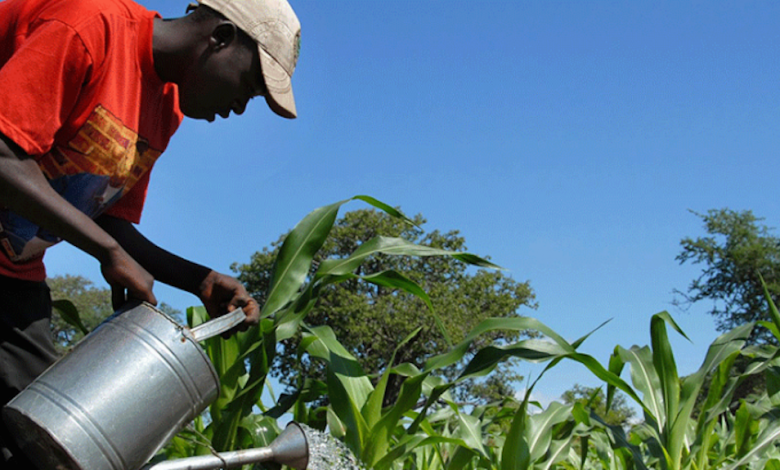
No fewer than 200 farmers and livestock practitioners have benefited from the Sustainable Peace and Resilience (SPAR) Project in Katsina State, an initiative designed to promote peaceful coexistence and strengthen livelihoods through climate-smart agriculture.
The Project Manager of the Women Environmental Programme (WEP), Damaris Uja, disclosed this during the project closeout and learning adaptation workshop, where she outlined the intervention’s impact across participating communities.

Uja explained that the project, supported by the Foreign, Commonwealth and Development Office in collaboration with ActionAid and Tetra Tech, was designed to address the root causes of recurring conflicts between farmers and herders while improving economic resilience.
According to her, the 200 direct beneficiaries were drawn equally from Katsina and Benue states, with each state contributing 50 farmers and 50 livestock practitioners, while many others benefited indirectly within their communities.
She noted that the project prioritised inclusivity, ensuring the participation of women and persons with disabilities, while equipping beneficiaries with skills to adapt to climate-related challenges.
Key interventions under the SPAR Project included the establishment of mini-ranching systems and the adoption of aquaponics, a method that integrates fish and vegetable production to diversify income and improve food security.
“We trained beneficiaries on sustainable livestock management and climate-smart agricultural practices, including the use of organic fertilisers and pesticides, to enhance productivity and environmental safety,” Uja said.
She added that advocacy visits were conducted at both state and community levels before implementation to secure the support of government authorities and traditional leaders, thereby promoting ownership and sustainability.
Uja expressed optimism that the mini-ranching model introduced under the project would help reduce clashes over grazing routes and destruction of farmlands, fostering improved relationships between farmers and pastoralists.
“Though the project duration is short, we are confident that the structures and knowledge put in place will deliver long-term impact. The facilities established will serve as models for replication in other communities,” she added.
Also speaking, the Team Leader of the SPRING Programme and representative of Tetra Tech, Ukona Ukiwo, underscored the importance of addressing the intersection between climate change and violent conflict.
Ukiwo said the SPRING Programme, funded by the Foreign, Commonwealth and Development Office, reflects the United Kingdom’s commitment to promoting peace, security and sustainable development in Nigeria.
Since its launch in 2024, he said the programme has worked with government agencies, security institutions, and community stakeholders to strengthen conflict-resolution mechanisms and build resilience among vulnerable populations.
He noted that SPRING supported capacity building for traditional leaders, women and youth on early warning systems and conflict response, while also strengthening institutional frameworks within key ministries.
“We have collaborated with relevant ministries to enhance policy development and improve responses to security challenges such as banditry,” Ukiwo said.
He added that the programme contributed to policy frameworks, including support for the Katsina Amnesty Initiative and environmental laws aimed at improving resource management.
According to him, SPRING partnered with the Women Environmental Programme to implement community-based interventions such as demonstration farms and ranches that encourage cooperation between farmers and pastoralists and reduce competition over land and water resources.
Ukiwo further highlighted research supported by the programme on grazing routes, land use and small arms proliferation, noting that the findings have been shared with policymakers to guide evidence-based decisions.
He observed that climate variability, as seen in irregular rainfall, changing vegetation, and shifting migration patterns, has intensified pressure on livelihoods and heightened the risk of conflict, particularly in rural communities.
Despite these challenges, Ukiwo expressed optimism about the programme’s outcomes, emphasising that community-driven approaches and applied learning provide practical pathways for conflict transformation.
🚨BREAKING: Watch The Video Clip Here ➤