As tensions linked to the U.S.–Iran war continue to destabilize the Middle East, Indonesia and Gulf Cooperation Council (GCC) states are expanding cooperation in culture, education, and the creative economy. These efforts are structured, growing, and politically safe. But they are also misaligned with the scale of the crisis.
At a moment of active conflict, soft power is not enough.
Recent engagements illustrate the current trajectory. The April 2026 visit of Saudi Culture Minister Prince Badr bin Abdullah bin Farhan Al Saud to Jakarta produced agreements on heritage preservation, museum cooperation, and creative industries. Indonesian Culture Minister Fadli Zon framed culture as a form of “soft power,” emphasizing its role in building long-term ties.

These initiatives are not trivial. They include coordination at UNESCO on intangible heritage, plans for museum digitalization and collection exchanges, and exploration of joint film production, translation programs, and artist residencies. Indonesia’s parallel engagement with Qatar focuses on academic mobility and joint research, while cooperation with the United Arab Emirates includes the deployment of Indonesian medical teams in UAE-run field hospitals supporting Palestinians.
Taken together, this is a coherent soft-power strategy.
The problem is not the substance of these efforts. It is their timing and priority.
READ: UN: Israeli shell killed Indonesian peacekeepers in southern Lebanon
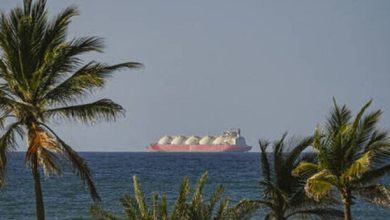
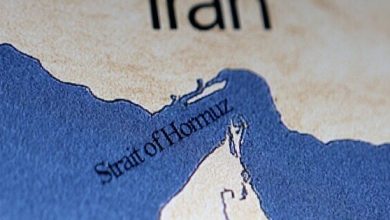
The U.S.–Iran war has already moved beyond a contained confrontation. Strikes, retaliatory attacks, and disruptions to shipping routes are affecting the broader region, including the Gulf itself. Energy markets are tightening, trade flows are under strain, and the risk of further escalation remains high.
For Indonesia, the consequences are indirect but real. As a trade-dependent economy and energy importer, it is exposed to rising fuel costs, supply disruptions, and global economic instability. For GCC states, the risks are immediate. The conflict is unfolding in their strategic environment, threatening infrastructure, investment, and long-term economic diversification plans.
In this context, expanding film co-productions and museum exchanges—while useful—does not address the central challenge.
Both Indonesia and the Gulf have stronger incentives than their current approach suggests.
Indonesia has long positioned itself as a supporter of multilateral diplomacy and a voice of the Global South. That positioning carries expectations. Remaining focused on low-risk cooperation during a major international conflict risks undercutting its credibility as a diplomatic actor.
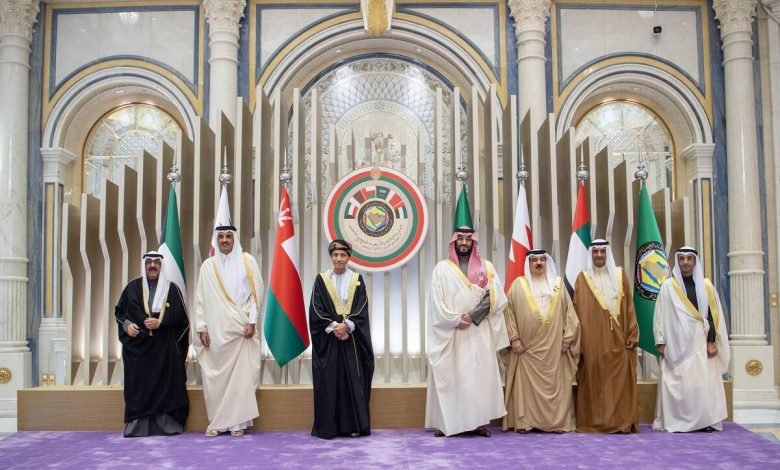
GCC states, for their part, have direct stakes in de-escalation. Continued conflict threatens not only security but also economic transformation agendas that depend on stability, including tourism, finance, and investment flows. Managing the consequences of war is more costly than attempting to prevent its escalation.
READ: Unlawful attacks on Iran increased security risks in region: President Erdogan
Yet there is limited evidence of coordinated diplomatic initiative between Indonesia and GCC states aimed at conflict resolution.
This is the gap.
Both sides have assets that could be leveraged more strategically. Indonesia brings diplomatic credibility as a non-aligned actor with experience in multilateral forums. GCC states bring proximity, economic leverage, and established channels of communication with key actors in the conflict.
Individually, these assets are limited. Combined, they could form the basis of a more credible mediation effort.
This does not require Indonesia or the Gulf to take on roles reserved for major powers. But it does require a shift in emphasis—from primarily building long-term cultural ties to also addressing immediate geopolitical risks.
Practical steps could include coordinated diplomatic outreach, support for ceasefire frameworks, and the use of existing bilateral and multilateral platforms to facilitate dialogue. Even incremental involvement—if sustained and coordinated—would signal a move toward greater strategic relevance.
Soft power should remain part of this approach. Cultural and educational ties can reinforce trust and provide channels for communication. But they cannot substitute for political engagement when conflict is already underway.
The current strategy risks a disconnect between means and ends. While Indonesia and GCC states invest in long-term cultural cooperation, the region faces immediate instability that threatens those very investments.
Aligning strategy with context does not mean abandoning soft power. It means integrating it into a broader approach that includes active diplomacy.
Indonesia and the Gulf do not lack capacity. What is missing is prioritization.
In a time of war, expanding cultural ties is not enough. The question is whether these countries are willing to translate their growing partnerships into political action—or remain on the margins of a conflict that increasingly affects them both.
OPINION: Indonesia should use its Morocco pact to build a real security presence in MENA
The views expressed in this article belong to the author and do not necessarily reflect the editorial policy of Middle East Monitor.
🚨BREAKING: Watch The Video Clip Here ➤