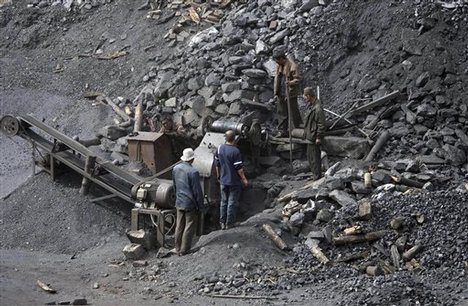
(A coal mine. Photo by Punch Newspaper)
According to a report released on Wednesday by climate rights organizations, South Africa runs the risk of thousands of premature deaths if the government’s revised decommissioning deadlines cause the phase-out of coal plants to be delayed.
According to the OECD, 80% of South Africa’s electricity comes from coal, and the nation is one of the biggest emitters of greenhouse gases worldwide.
Decommissioning plans are a contentious topic because it is a vital part of the nation’s economy and employs over 90,000 people.


Two of the nation’s 14 coal-fired power plants are scheduled to operate until 2050 after the government last year approved an extension of their running dates.
According to a recent assessment by Greenpeace, the Centre for Research on Energy and Clean Air, and the South African climate NGO GroundWork, prolonged delays might result in up to “32,000 preventable deaths” between 2026 and 2050.
With 15,000 deaths predicted over the same period, Gauteng province, which has no state-owned coal facilities and is home to the capital Pretoria and financial center Johannesburg, is expected to suffer the brunt of the extension.
Authorities in January blamed transboundary pollution from nearby Mpumalanga, the most polluted industrial zone in South Africa, for Gauteng’s high sulfur pollution levels.
Greenpeace climate activist Cynthia Moyo stated, “Pollution does not stay where it is made, it travels.”
According to the analysis, the delay will also have a significant negative impact on children’s health, leading to 41,000 preterm births, 17,000 new occurrences of childhood asthma, and 370 fatalities among children under five.
Moyo dismissed the government’s claim that the delay is due to economic concerns, telling AFP over the phone that “coal’s true cost is being hidden in hospitals and in early graves.”
“A pandemic”
At the report’s launch, residents of Middelburg, Mpumalanga, described the consequences of air pollution they had encountered, such as skin conditions, respiratory flare-ups, and early-onset asthma in children.
“It is a pandemic for us,” stated Sharon Mbonani, a 30-year-old mother who was compelled to relocate her one-year-old son to a different province when medical professionals connected his respiratory issues to environmental causes.
According to the report, the delay will cost the South African economy 721 billion rand ($38 billion), including missed workdays and more strain on the public healthcare system.
The most industrialized country on the continent, coal-rich but energy-starved South Africa, was the first nation in the world to sign a $8.5 billion Just Energy Transition Partnership (JETP) agreement with wealthy nations in 2021 to move away from coal-fired power generation.
However, as part of the Trump administration’s retreat from international climate commitments, the United States withdrew its multimillion-dollar agreement with Pretoria last year.
The government, which has a long history of support from labor unions that represent mine workers, has been embroiled in internal strife during the shift to green energy.
🚨BREAKING: Watch The Video Clip Here ➤