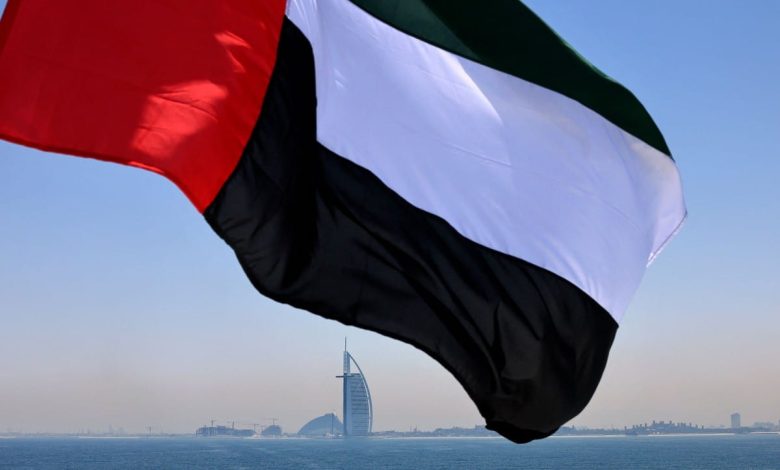
The United Arab Emirates is in talks with the Trump administration over possible financial assistance if the war with Iran drags on, The Wall Street Journal reported.
The report said UAE Central Bank Governor Khaled Mohamed Balama met US Treasury Secretary Scott Bessent and Federal Reserve officials in Washington last week, where he raised the idea of a currency-swap line.
A currency-swap line is a backup deal that helps a country get US dollars fast in an emergency. Countries may want this when war or crisis causes panic in the economy. In the UAE’s case, it suggests concern that a longer conflict with Iran could hurt confidence, disrupt trade and put pressure on its financial system.

READ: Standing between missiles and diplomacy: The Gulf’s difficult path to prevent a regional war
Emirati officials are seeking what was described as a financial “lifeline” from Washington in case the war pushes the oil-rich Gulf state into a deeper financial crisis. A prolonged conflict could inflict major damage on the UAE’s economy and undermine its standing as a global financial hub by depleting foreign reserves and scaring off investors who had viewed the country as a stable destination for capital.
The report added that Iranian air strikes have damaged oil and gas infrastructure in the UAE, while Iran’s blockade of the Strait of Hormuz since late February has disrupted the country’s oil shipments to buyers, cutting off a major source of revenue.
According to US sources cited in the report, UAE officials believe President Donald Trump’s decision to join Israel in the war on Iran has entangled their country in a destructive conflict. The proposed assistance is therefore being considered as a precautionary backstop should the economic fallout worsen.
READ: After US-Israeli war on Iran: What is left of the Gulf countries’ trust in America?
However, US officials reportedly believe such an arrangement may not be approved. The Federal Open Market Committee generally reserves swap lines for severe funding-market pressures that risk spilling back into the US economy.
The UAE is not relying only on Washington. Earlier this month, it established a swap line worth around $5 billion with Bahrain in an effort to reinforce financial stability.
Middle East officials also warned that any regional recovery is unlikely to be swift, even if hostilities end soon. Saudi Finance Minister Mohammed Al-Jadaan said on Thursday that disruption to tanker scheduling and shipping would likely continue until the end of June, adding that anyone expecting a quick recovery would need to “recalculate”.
READ: The geostrategic and geoeconomics of Kharg Island
🚨BREAKING: Watch The Video Clip Here ➤