Poor Nigerians turn to herbs as malaria drug prices soar
The rising cost of treating malaria is deepening the health and economic burden on Nigerians, as many struggle to pay for treatment.
For many households, treating malaria depends not only on access to healthcare but also on the ability to afford it.
This is a concerning trend because, according to the World Health Organisation’s 2025 World Malaria Report, Nigeria already accounts for 27 per cent of global cases and 31 per cent of deaths.
According to the statistics, an estimated 610,000 people died of malaria globally in 2024, with Nigeria accounting for about 184,800 to 195,000 of the figures.
The country also accounted for 38.6 per cent of global malaria deaths in children under five, with the disease responsible for about 30 per cent of child deaths and 11 per cent of maternal deaths annually in Nigeria.
Also, over 24 million malaria cases were reported in Nigeria in just the first nine months of 2025.
With most Nigerians struggling with a cost-of-living crisis, affording proper treatment for this deadly disease is getting out of reach for many families.
LEADERSHIP Weekend’s checks revealed that treating a single case of malaria in general hospitals costs between N7,000 and N17,000, covering consultation, diagnosis and medication.
The exact amount depends on the severity of the illness and the type of medicines prescribed.
Given the economic reality in the country, this cost is unaffordable for many Nigerians, particularly those in urban slums and rural communities, forcing some to delay treatment or seek cheaper alternatives that may be ineffective or unsafe.
Nyanya is a satellite town in the Federal Capital Territory (FCT), Abuja, about 10 kilometres from the city centre.
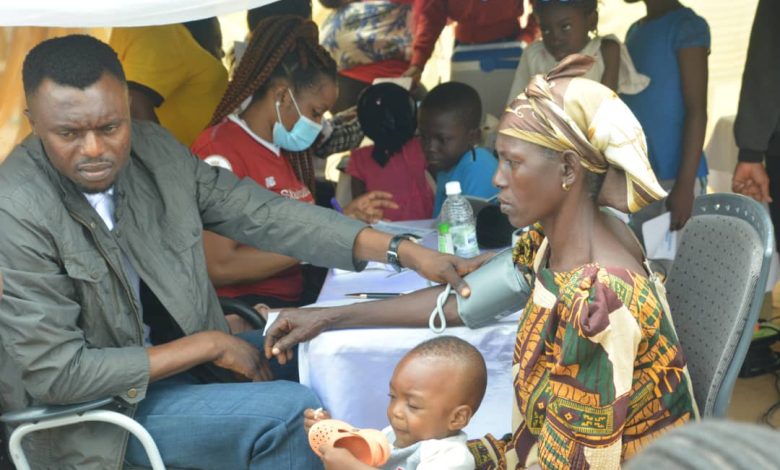
At the Nyanya General Hospital in Abuja, a mother who brought her child for treatment said the family had battled repeated malaria episodes for a month.
“We were asked to run a full blood count and malaria test. I have spent over N30,000 treating malaria in the past month,” she lamented.
With Nigeria’s minimum wage at N70,000, many families say malaria treatment has become unaffordable.
For a household of four or five, the cumulative cost of tests, consultation and medicines can exceed a monthly salary — a reality pushing many towards herbal mixtures, popularly called ‘agbo’.
In another FCT satellite town, Kurudu, Abuja resident Rita Aminu showed our correspondent her test result indicating a high malaria load. She said she had previously spent N2,300 and N1,800 on malaria drugs in the weeks before taking the test, after symptoms kept recurring.
“I was shocked the result still showed high malaria,” she said.
The test cost her N2,500 at a private laboratory, bringing her total expenses to N6,600.
She said when she took the result to a nurse who runs a drug store nearby, she was told she needed injectables, tablets and paracetamol, costing N10,000.
🚨BREAKING: Watch The Video Clip Here ➤