A Kaduna -based Islamic cleric standing trial over an alleged plot to overthrow President Bola Tinubu’s government has told investigators he was approached to provide spiritual support for the coup plan but warned the organisers it would fail due to betrayal within the group.
The cleric, Abdulkadir Sani, made the disclosure in a video recording played before the Federal High Court in Abuja on Monday during the ongoing trial of six defendants accused of involvement in the alleged failed coup attempt.
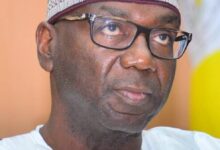
The video, tendered by the prosecution, captured moments of Sani’s interrogation by military investigators.
In the recording, Sani said he became acquainted with the alleged coup ringleader, Mohammed Ma’aji, a serving army colonel, less than a year before the arrests were made.
According to him, a middleman identified as Sanda contacted him on behalf of Ma’aji, requesting prayers and spiritual consultation concerning the success of the alleged operation.
“Sanda told me his Oga wanted to stage a coup and needed prayers and divination to know whether it would succeed,” Sani said in the recording.
The cleric claimed he carried out prayers but later informed the group that the operation would fail because two members involved in the conspiracy would eventually betray the others.
He further stated that after delivering the warning, another message was relayed to him requesting additional prayers “so that the two individuals would not betray the group.”
Sani also disclosed that names of alleged conspirators were forwarded to him for inclusion in the prayers, while money was allegedly sent to him through intermediaries.
However, he maintained that the funds were not payments for supporting a coup but were “gifts” and donations meant for “prayers and charity.”
“I did not collect money for a coup. The money was for prayers,” he insisted during the interrogation.
The defendant said he never reported the alleged plot to security agencies because he “did not know who to report to.”
He narrated that his eventual arrest followed a visit to the Economic and Financial Crimes Commission (EFCC) after discovering that his bank account had been restricted.
According to him, he attempted to withdraw part of the money transferred to the account but discovered it had been flagged by authorities.
Sani said he later contacted an EFCC deputy director and was invited to the commission’s office, where he explained that the funds were connected to spiritual prayers.
He also denied making any statement relating to a coup while in EFCC custody.
The Federal Government had, on 22 April, arraigned Sani alongside retired Brigadier-General Mohammed Ibrahim Gana and four others over the alleged coup plot.
The other defendants are retired navy captain Erasmus Ochegobia Victor, police inspector Ahmed Ibrahim, Presidential Villa electrician Zekeri Umoru, and Bukar Kashim Goni.
The six defendants are facing a 13-count charge bordering on treason, terrorism, money laundering and failure to disclose information relating to the alleged conspiracy to topple the Tinubu administration.
Authorities said details of the alleged plot were uncovered September 2025, leading to the arrest of serving and retired military officers as well as civilian collaborators.