45
As PAN Produces New Peugeot Brands
For decades, the sight of a Peugeot car on Nigerian roads was as common as commercial buses and roadside mechanics. From the famous Peugeot 504 to the elegant 505 and later the 406, the brand became part of Nigeria’s transportation history. Civil servants drove them, taxi operators trusted them, and families admired them for their durability on rough roads.
At the center of that automobile revolution was Peugeot Automobile Nigeria, popularly known as PAN, a company established in 1972 through a partnership between the Nigerian government and Automobiles Peugeot of France. The assembly plant in Kaduna officially began production in 1975 and quickly became one of the biggest symbols of Nigeria’s industrial ambitions.
During its peak years, thousands of workers earned their livelihood from the company. Entire communities around Kakuri Industrial Estate in Kaduna depended on the factory. Spare parts dealers, welders, mechanics, transporters and food vendors all benefited from the booming automobile business generated by Peugeot.


The Peugeot 504 especially became legendary in Nigeria. Many Nigerians nicknamed it “the Nigerian car” because of how strong and reliable it was. The vehicle survived harsh roads, difficult weather conditions and heavy commercial usage. It became a trusted companion for both urban and rural transportation.
But the glory years did not last forever. Economic downturns, unstable government policies, foreign exchange problems and the massive influx of used imported vehicles gradually weakened local automobile production in Nigeria. PAN, like many manufacturing firms in the country, began struggling to survive. Production numbers dropped sharply. A company that once assembled tens of thousands of cars yearly was reduced to producing only a fraction of its capacity.
Many Nigerians watched helplessly as the once vibrant company slowly faded. Workers lost jobs, factories became quieter and confidence in locally assembled vehicles declined. The decline of PAN was seen by many as a symbol of Nigeria’s collapsing industrial sector.
At some point, it appeared Peugeot had practically disappeared from Nigeria’s automobile scene.
While imported vehicles flooded the market, many Nigerians believed the country had lost its dream of becoming a major automobile manufacturing nation. The Kaduna plant that once represented industrial pride became a shadow of itself. For many residents of Kaduna, the silence from the assembly lines was painful.
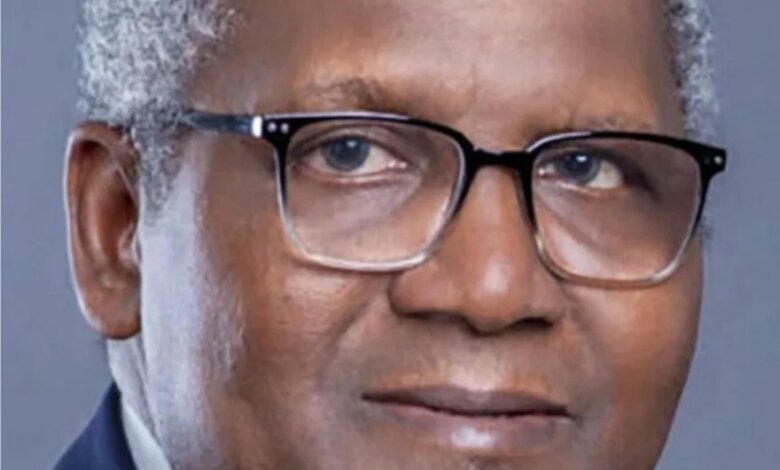
The turning point began when billionaire industrialist Aliko Dangote stepped into the picture.
Dangote, already known for transforming sectors like Cement, sugar, flour and petrochemicals, saw potential in reviving Nigeria’s automobile industry. He joined forces with state governments and partners to acquire and restructure the struggling automobile company in Kaduna.
The revival effort gained momentum around 2016 and 2017 when Dangote Industries Limited, alongside Kaduna and Kebbi state governments as well as the Bank of Industry, moved to take over and rebuild the Peugeot assembly business.
The new arrangement eventually gave birth to Dangote Peugeot Automobiles Nigeria Limited, known as DPAN.
The project was not just about reopening a factory. It was about restoring confidence in local manufacturing and proving that Nigeria could still assemble world class vehicles within its borders.
Dangote partnered with Stellantis, the global automobile giant behind Peugeot. The collaboration focused on rebuilding the assembly line in Kaduna and bringing modern Peugeot models back into the Nigerian market.
The new assembly plant in Kaduna became a major symbol of industrial rebirth.
In 2022, the company officially commenced assembly operations at its Greenfield Ultima Assembly Plant in Kaduna, beginning with the Peugeot 301 model. Other models such as the Peugeot 3008, 5008, Landtrek pickup and 508 later followed.
Industry observers described the development as one of the biggest attempts in recent years to revive local automobile manufacturing in Nigeria.
The Kaduna factory, once nearly forgotten, started humming again with activity.
Young Nigerians were employed. Technicians received training. Suppliers and logistics operators began seeing fresh opportunities. Local businesses around the factory area also started benefiting from the renewed economic activity.
The revival also stirred nostalgia among older Nigerians who remembered the Golden era of Peugeot vehicles.
For many families, the Peugeot 504 carried memories of road trips, weddings, business journeys and everyday life. Some Nigerians even became emotional seeing the Peugeot name return strongly to the market.
Social media discussions frequently reflected admiration for the comeback.
The company itself projected ambitious production goals. Reports indicated that the Kaduna plant aims to assemble thousands of vehicles annually, with long term targets reaching tens of thousands of units.
Experts believe that if sustained properly, the revival could help reduce Nigeria’s heavy dependence on imported used vehicles.
Nigeria remains one of Africa’s largest automobile markets, but most vehicles on Nigerian roads are still imported second hand cars. Analysts argue that strengthening local assembly plants could create jobs, improve technology transfer and boost industrialization.
Economic analyst Tunde Afolabi said local automobile production is important for national development.
“Countries that industrialized successfully invested heavily in manufacturing. Reviving Peugeot in Kaduna is important because it encourages local production instead of complete dependence on imports,” he said.
He added that automobile manufacturing creates opportunities beyond the factory itself.
“When a car assembly plant becomes active, it supports spare parts manufacturing, transportation, engineering services, welding, upholstery and many small businesses connected to the value chain,” he explained.
The Dangote backed revival also aligns with broader conversations about economic diversification in Nigeria.
For years, many experts have argued that Nigeria cannot continue depending almost entirely on oil revenues. Industrial development and manufacturing are often seen as critical alternatives for economic stability.
The Peugeot comeback therefore became more than a business story. To many Nigerians, it represents resilience, industrial hope and the possibility of rebuilding sectors that once appeared dead.
Workers at the Kaduna plant have also expressed optimism about the future.
Government officials and industry stakeholders have repeatedly stressed the need for Nigerians to support locally assembled vehicles.
Some believe that patronizing Nigerian made vehicles could help strengthen the economy and reduce capital flight.
Others, however, argue that affordability remains important. Many Nigerians still prefer imported used cars because they are cheaper than brand new vehicles assembled locally.
The revival has also helped restore Kaduna’s image as an industrial hub.
In previous decades, Kaduna was known for Textile factories, manufacturing companies and industrial activities. Over the years, many of those industries shut down or operated far below capacity.
The return of Peugeot assembly operations has therefore become symbolic for the state.
Residents hope the development will attract more investors and encourage the reopening of other struggling industries.
The involvement of Dangote in the automobile industry also surprised many Nigerians who previously associated him mainly with cement, sugar and refinery projects.
But observers say the move reflects his long standing interest in industrial expansion and local production.
By investing in Peugeot, Dangote did not merely revive a car brand. He revived memories, restored economic hope for many families and reopened conversations about Nigeria’s manufacturing potential.
Today, as vehicles roll once again out of Kaduna, many Nigerians see the development as proof that abandoned industries can still breathe again with the right investment, leadership and commitment.
For older Nigerians who once proudly drove Peugeot cars across dusty highways and crowded city streets, the revival feels personal.
For younger Nigerians searching for employment and industrial opportunities, it feels promising.
And for Kaduna, the sound of machines returning to life inside the Peugeot assembly plant represents something many residents thought had disappeared forever, hope.
By Benprince Ezeh
08068599879
What do you think about this?
Drop your opinion in the comment section.
FOLLOW US & Share this with someone who needs to see this.