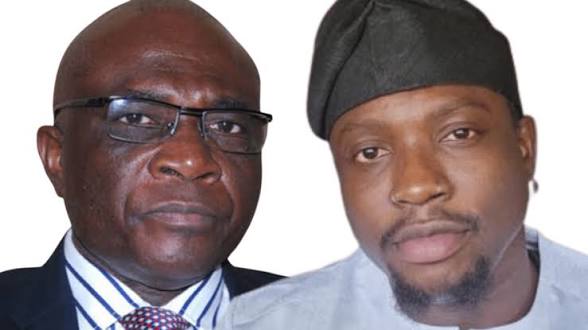
Social media activist Martins Vincent Otse, popularly known as VeryDarkMan (VDM), has once again sparked reactions online after accusing presidential spokesperson Bayo Onanuga of allegedly spreading false information against him.
In a strongly worded statement shared online, VDM claimed there was an attempt to damage his image and possibly create grounds to silence or “cage” him following recent controversies linked to his online activities.
The activist, known for his outspoken, controversial social commentary, criticised Bayo Onanuga while expressing frustration with the current state of governance and political communication in Nigeria.
The latest outburst comes shortly after tensions escalated online over an alleged fake audio recording that sparked widespread debate across social media.
VDM suggested that certain individuals within political circles were unhappy with his influence and public criticism, adding that what he described as a planned attempt against him allegedly failed.
His statement has since divided Nigerians online.
Supporters of the activist believe outspoken social media personalities are increasingly facing pressure whenever they criticise powerful figures or institutions.
Others, however, argue that public influencers also carry responsibility when discussing politically sensitive topics, especially in an era where misinformation and manipulated digital content can spread rapidly online.
The controversy has now evolved into a larger conversation about free speech, political influence, misinformation, and the growing power of digital activism in Nigeria.
Over the past few years, VeryDarkMan has built a massive online audience through controversial commentary, celebrity callouts, and discussions surrounding corruption, politics, and social issues.
His supporters often describe him as fearless and outspoken, while critics accuse him of employing emotional, confrontational tactics that often escalate public tension online.
Meanwhile, reactions continue to pour in across social media as Nigerians debate whether the situation reflects political intimidation, online activism, or simply another high-profile internet controversy.
As discussions continue, many observers believe the growing clash between political institutions and social media influencers highlights how online personalities are increasingly shaping public narratives in Nigeria.