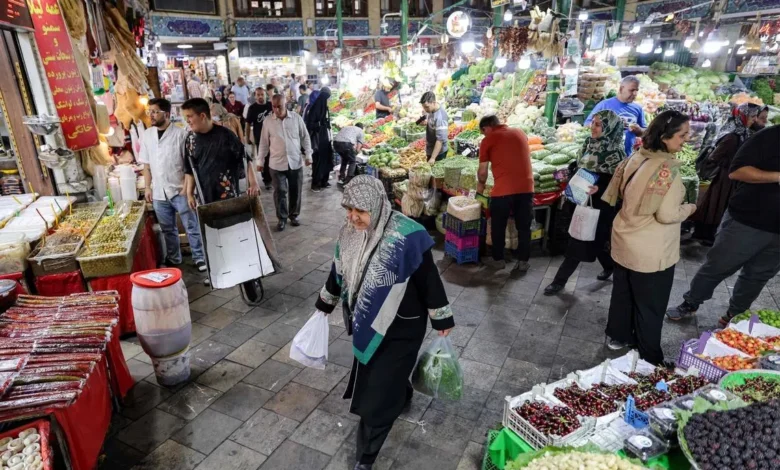
When Israel and the US attacked Iran in late February, some Iranian opponents of the Islamic republic hoped that it would bring an end to decades of theocratic rule they saw as oppressive.
Now, after devastating strikes and amid a teetering ceasefire, those hopes have been snuffed out. Feelings of disillusionment and despair have taken their place, driven by a reported death toll of 1,700 civilians, vast destruction and an economic implosion that has made daily life a struggle.
The ceasefire has provided some relief from bombs, but on June 7, it was looking even shakier after Iran launched a new barrage of ballistic missiles against Israel. Iranian officials cited Israel attacks in Lebanon, but the strikes raised the spectre of Israeli retaliation on Iran.
Beyond the military skirmishes, an economic war has sent the prices of basic goods skyrocketing. The crippling of critical industries and the effective closure of the Strait of Hormuz – a key trading route for Iran’s most precious export, oil – have tipped the already troubled economy into free fall.
The on-again, off-again peace talks, along with US proclamations that the war is over when it was not, have left both supporters and opponents of the government confused and anxious, according to interviews with more than 20 Iranians in Tehran, Isfahan, Ahvaz and Mashhad in the days before the June 7 strikes.
“I’m angry. I feel alone,” Kimia, a 25-year-old designer, said from Tehran. “We don’t matter to the world at all; we’re seen only as tools for war and negotiation, while we are human beings.”
For some of those desperate for regime change, learning that Israel and the US had initially planned to install a former hard-line president, Mahmoud Ahmadinejad, as the country’s new ruler was a painful indignity. In interviews and in social media posts, several said the disclosure of the plan by The New York Times left them feeling like bystanders in a geopolitical game with direct impact on their lives.
Ayatollah Ali Khamenei, the country’s long-time supreme leader, was killed in strikes on the first day of the war in February and has since been replaced by his son.
“What was this all for?” asked Amirali, a 62-year-old engineer in Tehran. “They bombed and destroyed our country, our airports, roads and factories in the name of regime change so they could bring Ahmadinejad? This shows the goal was never to make Iran better or free.” NYTIMES