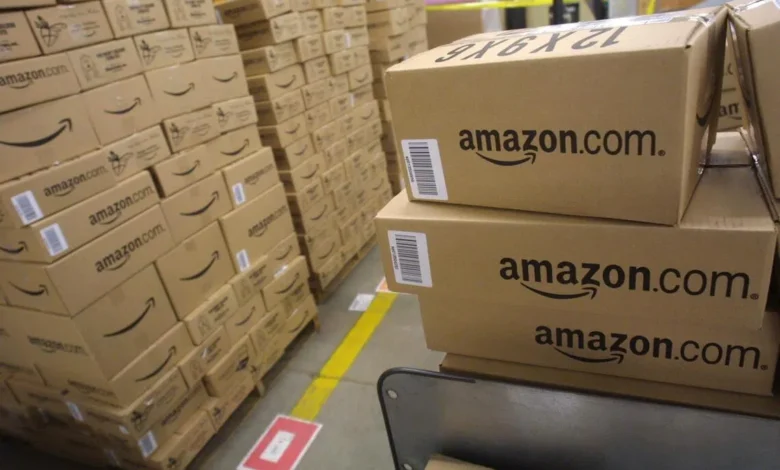
NEW YORK – Amazon.com will host its annual Prime Day sales event from June 23 to June 26 after launching the event in July for the past five years, citing major holidays and sporting events as factors in its decision.
Prime Day is one of Amazon’s biggest sales events of the year, and helped drive US$24.1 billion (S$30.8 billion) in US online spending in 2025 when it extended the event to four days from two, according to data from Adobe Analytics.
Amazon considers US and global events, religious holidays and bank holidays when choosing the dates for Prime Day each year.
“This year, we have the (FIFA) World Cup,” Jamil Ghani, Amazon Prime international vice president, told Reuters. “We’ve got also the 250th anniversary of US independence, and so we thought this week (beginning June 22) was the best week for us to hold Prime Day.”


FIFA World Cup 2026 runs from June 11 through July 19, while the US Independence Day is on July 4.
Amazon last held its Prime Day event in June in 2021.
The e-commerce giant hopes that its members will stock up on perishable groceries and other everyday essentials for World Cup and holiday celebrations. Perishable items including bananas and ice cream are becoming a larger part of Prime members’ shopping carts as Amazon expands same-day and next-day deliveries. The company in August added free same-day deliveries of perishable foods for Prime members.
Now that Prime Day is in June, Adobe Analytics is “expecting strong year-over-year growth for the month, powered by expected sales and discounts across major categories like appliances, office supplies, home & garden and more,” Vivek Pandya, lead analyst at Adobe Digital Insights, said.
Speedy deliveries on groceries is a core part of Amazon’s strategy to compete with Walmart, the largest grocer in the United States. Walmart’s membership service, Walmart+, offers same-day delivery in under three hours – with some orders arriving in as little as 30 minutes. The service has played a vital role in taking e-commerce market share away from Amazon.
Ghani said that he expects grocery items to make up a bigger proportion of Amazon deliveries in the future as people’s frequency of buying perishable and nonperishable food items is higher than beauty products, apparel and electronics.
“As groceries and household essentials grow as a part of our business overall … it’ll grow as a percent of the total units that we ship,” Ghani said. REUTERS