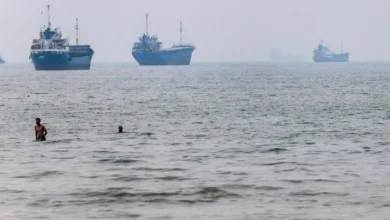
Traffic through Hormuz, a vital global shipping route, has come under Iranian control since the outbreak of war with the United States and Israel on February 28.
Iran, which has only allowed a trickle of ships to pass through the strait, has insisted that vessels obtain permission from its armed forces before transiting.
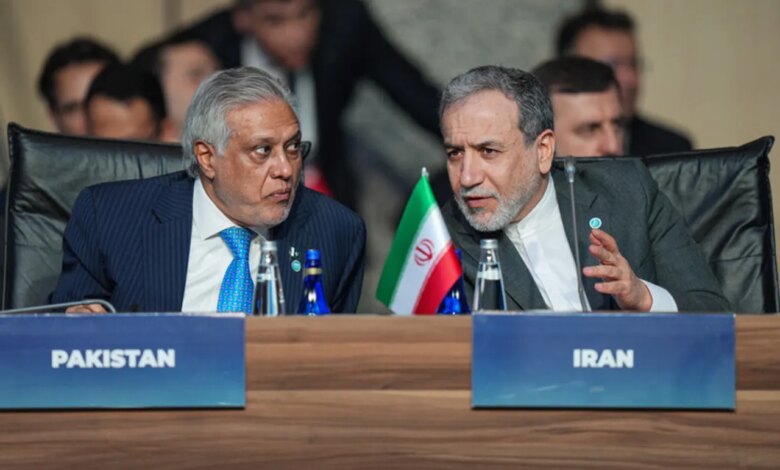
The naval blockade must be completely lifted. That is the first point mentioned in the agreement,” Araghchi said.

“Iran has made a firm decision that the administration of Strait of Hormuz will no longer be the same as before,” he noted, adding that discussions were ongoing with Oman on the matter.
He said Hormuz was among Iran’s “main instruments of deterrence”.
He confirmed that details of Iran’s nuclear programme including its stockpile of highly enriched uranium — contentious issue for Washington — would be discussed during a 60-day period following the signing of the framework.
“Our position has always been that the only way to deal with the stockpile of enriched material is to dilute it inside Iran,” said Araghchi.
During the interview, he warned against attempts to sabotage the potential deal especially by Israel.
“I must frankly say that this agreement has enemies, the foremost of which is the Zionist regime (Israel), who are looking for pretexts to derail it,” he said.