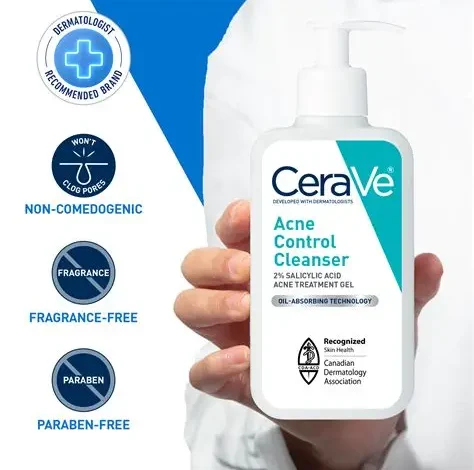
French cosmetics giant L’Oréal is facing six class action lawsuits in the United States over allegations that certain acne-treatment products sold under its CeraVe brand may expose consumers to benzene, a chemical classified as a known human carcinogen.
The legal actions stem from concerns about products containing benzoyl peroxide, a common acne treatment ingredient. According to the lawsuits, benzoyl peroxide can degrade into benzene under certain temperature conditions.


The controversy gained widespread attention after independent testing laboratory Valisure published findings in March 2024 alleging that benzoyl peroxide-based acne products could generate elevated levels of benzene when exposed to heat, including temperatures as low as normal body temperature.
Among the products highlighted in online discussions are CeraVe’s Acne Foaming Cream Cleanser and Acne Foaming Cream Wash, which contain 4 per cent and 10 per cent benzoyl peroxide, respectively.
According to Valisure, laboratory testing detected benzene formation in several benzoyl peroxide products when incubated at temperatures ranging from 37°C (98.6°F) to 70°C (158°F). The findings prompted a wave of lawsuits against manufacturers of acne treatments containing the ingredient.
The first lawsuit was filed in March 2024, with additional complaints subsequently lodged in Hawaii, Louisiana, Missouri, Illinois and New York. Plaintiffs alleged that consumers were not adequately informed about the potential risks associated with the products.
In November 2024, the plaintiffs sought to consolidate the cases in Hawaii to streamline proceedings. However, a federal judicial panel declined the request in February 2025. By May 2025, all six lawsuits had been transferred to the Southern District of New York for further legal proceedings.
As of June 2026, no final ruling has been issued, and the litigation remains ongoing.
The case has fueled debate on social media, where users have questioned the safety of benzoyl peroxide-based acne treatments and called for greater transparency from manufacturers.
Neither the ongoing lawsuits nor the allegations contained within them constitute a finding of liability, and the claims remain subject to judicial review as the cases proceed through the courts.