KINSHASA, Democratic Republic of Congo – Residents attacked an Ebola burial team in eastern Democratic Republic of Congo’s South Kivu province this week, forcing responders to abandon a coffin and raising fears of further transmission, the Health Ministry said.
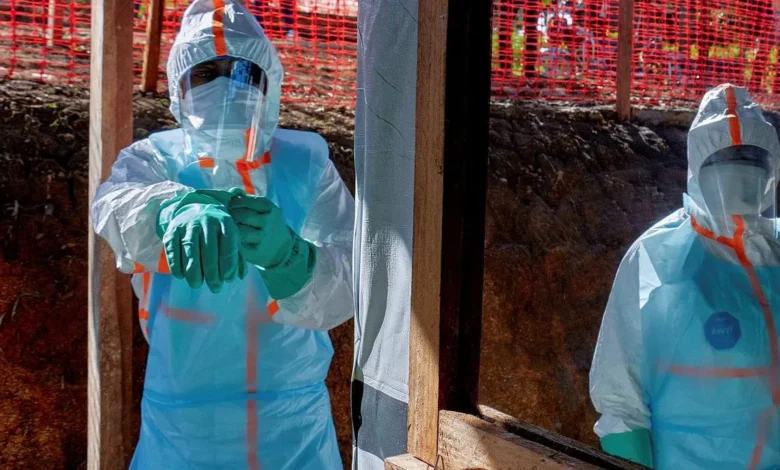
The assault took place on June 1 in Katana, a town controlled by AFC/M23 rebels some 30km north of the provincial capital Bukavu, according to the ministry and the head of a local hospital reached by Reuters. It targeted a “safe and dignified burial team” – specialised responders trained to handle highly infectious bodies under strict protocols to prevent contagion.
The body was subsequently handled by members of the community, a high-risk practice that can fuel new chains of infection, according to a situation report published online on June 3.
The Health Ministry and the hospital official did not specify what triggered the attack.
The incident underscores mistrust and resistance that continue to hamper response efforts. As officials try to control the spread of the Bundibugyo strain of Ebola, burial teams and health workers have been targeted in recent weeks, including by relatives of victims who have questioned the cause of death.
In a similar incident on June 1 in Bunia, the capital of Ituri province where the first cases of the Bundibugyo strain were confirmed, residents assaulted a response team at a cemetery, leaving at least four injured, according to the situation report and a local aid worker.
Congo has recorded 363 confirmed Ebola cases and 62 deaths since the latest outbreak, the country’s 17th, was declared on May 15, according to the latest data from the Health Ministry’s situation report.
The health authorities reported 19 new confirmed cases, including two deaths, in the most recent update, with infections now spread across 17 out of 36 health zones in Ituri province. There has been a steady increase in recent days, with cases also reported in seven health zones in North Kivu province and one health zone in South Kivu province.
Despite the setbacks, the ministry noted some progress, highlighting 32 contact cases in Ituri’s Rwampara who had been monitored for 21 days and were determined not to have Ebola.
The ministry also said officials in the city of Goma, North Kivu, were preparing on June 3 to discharge a patient who had recovered. Freddy Kaniki, deputy coordinator for the AFC/M23 rebels, said in a post on social media platform X on June 3 that the patient had been reunited with her family. REUTERS