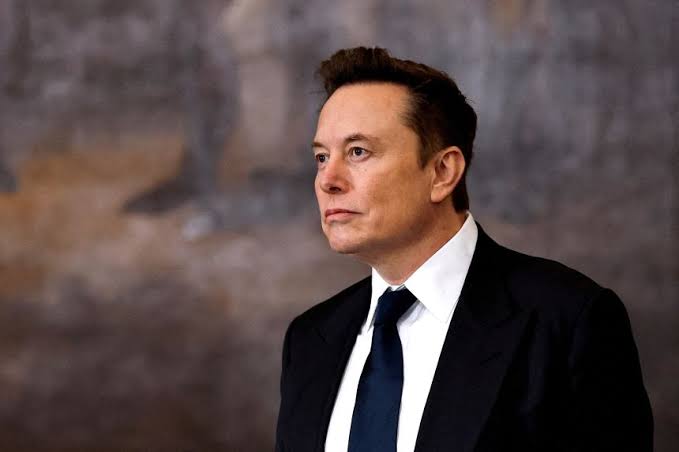
Tech billionaire Elon Musk has claimed that deaths across Africa declined following sharp reductions in United States foreign aid, arguing that the funding cuts ended programmes he alleged contributed to political instability on the continent.
Musk made the assertion in a post on X on Tuesday while responding to criticism of funding cuts implemented under the Department of Government Efficiency (DOGE), an initiative he has publicly supported, which significantly reduced funding for the US Agency for International Development (USAID).


According to Refugees International, US humanitarian funding dropped from $14 billion in 2024 to $3.7 billion in 2025, describing the dismantling of USAID as “the most prominent manifestation” of a wider decline in international humanitarian assistance.
The Center for Global Development also reported that USAID spending fell by about 58 per cent in 2025 compared to the previous year.
Despite those reductions, Musk argued that mortality data from several African countries did not show an increase in deaths after the aid cuts.
“Deaths in Africa DECREASED after USAID funding was cut, because they’re no longer able to push for violent revolution to install leftist regimes!” Musk wrote while sharing an analysis of mortality data, including all-cause death statistics from South Africa.
The data he referenced included a graph tracking weekly deaths in South Africa between January 2023 and May 2026, covering the period after USAID and PEPFAR funding reductions.
According to the analysis, observed excess deaths remained close to zero and were lower than projections made before the funding cuts.
The accompanying analysis also cited a 2019 study which argued there was little statistical evidence linking higher levels of foreign aid to significant improvements in life expectancy or mortality rates in developing countries.
Musk has consistently defended the aid reductions, saying they were necessary to eliminate waste, corruption and the misuse of American taxpayer funds for political purposes rather than humanitarian assistance.
He further alleged that previous USAID activities in parts of Africa contributed to “violent revolution” aimed at installing left-leaning governments, arguing that ending such funding removed a source of instability.
However, Musk’s claims contrast sharply with warnings from global health experts and humanitarian organisations.
A study published in the medical journal The Lancet in July 2025 projected that the aid cuts could contribute to more than 14 million deaths worldwide by 2030, including over 4.5 million children.
Similarly, Nicholas Kristof, citing estimates from the Center for Global Development, reported that more than 1.6 million people could die within a year without U.S. support for HIV prevention and treatment programmes.
The contrasting assessments have intensified debate over the humanitarian impact of the United States’ foreign aid reductions, with supporters arguing the cuts improve accountability and critics warning they could have devastating consequences for vulnerable populations across Africa and other developing regions.