0
ABUJA – The presidency has said significant progress has been made towards establishing state police.
It said a constitutional amendment is expected soon, owing months of consultations among the executive, the National Assembly and security authorities.
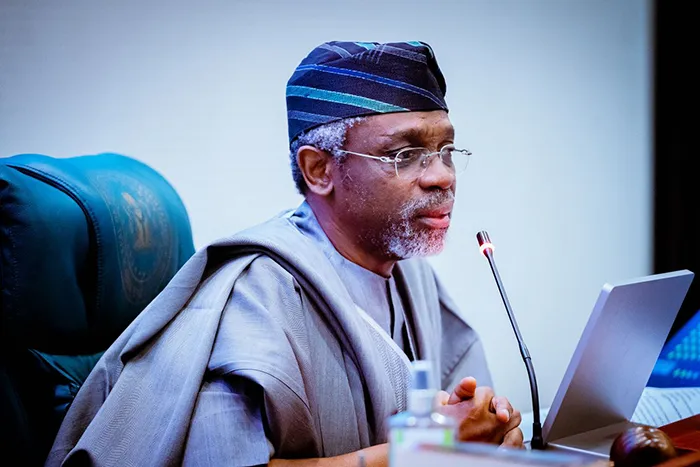
The Chief of Staff to the President, Hon. Femi Gbajabiamila, disclosed this on Thursday while briefing State House correspondents after a consultative meeting on state police convened by the presidency, stakeholders in separate interviews with Daily Independent say Nigeria remains trapped in a recurring cycle of scarcity and price spikes during lean seasons, and glut with wastage during harvest periods.


They argue that without sustained reforms, the country risks prolonged food inflation and worsening food insecurity.
Austine Adeniba, Chief Operating Officer, Eliakim Integrated Services Ltd, stressed that stabilising food prices requires a broad mix of government interventions aimed at addressing both production and market inefficiencies. According to him, farmers need “a combination of financial, technical, infrastructure, policy, and security support from government” to break the cycle of volatility.
He noted that key interventions must include irrigation systems, storage and processing facilities, pest control, low-interest financing, improved transport infrastructure, security, and modern farming technologies.
Adeniba warned that temporary measures cannot solve the underlying problem. “Temporary interventions such as market raids or short-term import waivers may provide brief relief, but they do not solve the structural causes of recurring food inflation,” he said.
He added that long-term stability requires a fundamental shift in Nigeria’s agricultural system, calling for a transition “from subsistence agriculture to a modern, climate-resilient, commercially integrated food system.”
Similarly, Oyewole Okewole, Senior Associate Consultant at FutuX Agri-Consult Limited, outlined several areas where government support is urgently needed to improve productivity and stabilise supply.
He identified access to affordable, high-quality farm inputs and mechanisation as a key priority, noting that subsidised fertilisers, improved seeds, irrigation systems, greenhouses, and farm machinery should be “strategically distributed with data to the right people.”
Okewole also emphasised the need for investment in cold chain infrastructure and agro-processing hubs, saying that “cold rooms, refrigerated trucks, drying facilities, and tomato processing plants would significantly reduce spoilage and stabilise market supply,” while highlighting that Nigeria loses “trillions of naira annually” due to weak storage systems.
He further pointed to poor rural infrastructure, limited access to agricultural finance, weak extension services, and lack of market stabilisation mechanisms as major constraints affecting the sector.
On long-term solutions, Okewole called for expanded irrigation farming to reduce dependence on rainfall, alongside climate-smart agriculture such as greenhouse production, solar-powered irrigation, and heat-tolerant crop varieties, including those developed by the National Horticultural Research Institute (NIHORT).
He also stressed the importance of strengthening processing industries and cold chain logistics, describing the latter as “perhaps the single most important intervention” for reducing post-harvest losses and ensuring year-round supply.
Supporting this view, Bola Oyeleke, National President of the Tomato and Orchard Producers Association of Nigeria (TOPAN), pointed to rising production costs, insecurity, and limited access to modern farming technologies as key drivers of reduced output and rising prices.
He noted that many farmers are struggling to cope with increasing costs of inputs and production, while insecurity continues to discourage cultivation in several regions.
According to him, these challenges are worsening as the rainy season approaches, when pest and disease pressures are expected to intensify.
Oyeleke also called for stronger government action on security and agricultural mechanisation, including improved support for agro-rangers and increased investment in farming equipment for smallholders.
On livestock and broader agricultural reform, he urged greater collaboration between government and the private sector to improve productivity and reduce conflicts affecting food production systems.
Adebowale Onafowora, Managing Director of BIC Farms Concept, meanwhile, raised concerns over policy inconsistencies, particularly the government’s 2025 decision to open the market to imported food products.
He said the move weakened local production incentives despite providing temporary price relief.
“We are now paying for that short-sightedness,” he said, noting that reduced planting in 2026 has contributed to current shortages.
Onafowora further argued that Nigeria’s continued reliance on rainfall farming, despite available dam infrastructure, reflects policy failure rather than environmental limitation.
He also pointed to rising fertiliser and fuel costs driven by global disruptions as additional pressures on farmers.
For long-term reform, he recommended treating food logistics as a security priority, redirecting import subsidies into a guaranteed buy-back system for local farmers, and expanding controlled environment agriculture to reduce dependence on unpredictable weather conditions.
He maintained that sustainable price stability will only be achieved when farmers are assured of profitability and consistent policy support.