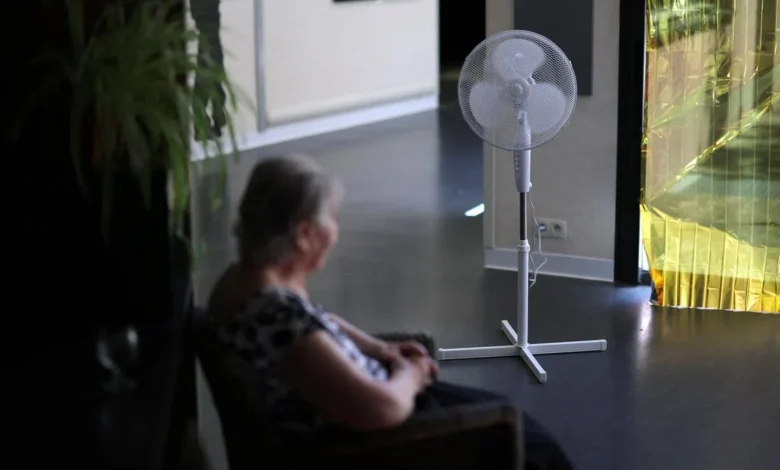
The world is baking under extreme heat, with Europe, Asia and parts of the US all dealing with scorching temperatures.
Heat affects health in several ways.
Heat exhaustion, which can include dizziness, headaches, shaking and thirst, can affect anyone, and is usually not serious, provided the person cools down within 30 minutes.
The more serious condition is heatstroke, when the body’s core temperature goes above 40.6 deg C . It is a medical emergency and can lead to long-term organ damage and death. Symptoms include rapid breathing, confusion or seizures, and nausea.
Some people are more vulnerable, including young babies and older people, as well as people who must stay active or are more exposed, such as those who are homeless.
Existing conditions, including respiratory and cardiovascular diseases, as well as diabetes, can also heighten risk and be exacerbated by heat.
Globally, just under half a million deaths a year are estimated to be due to excess heat, according to a 2021 study in The Lancet, although data is lacking from many low-income countries.
A study focused on 854 European cities found climate change was responsible for 68 per cent of the 24,400 estimated heat deaths in 2025 as temperatures increased by up to 3.6 deg C.
“Heat waves are a silent and invisible killer. We don’t often see the impact that they have had on human health until the mortality statistics are published many months later,” said Professor Liz Stephens, a researcher in climate risk and resilience at Britain’s University of Reading.
Air pollution also poses a health risk, with serious potential effects from wildfire smoke, including inflammation and tissue damage.
Heat also can lead to low birthweight and premature birth for babies, a number of studies have shown.
Experts say more deaths occur earlier in the summer when people’s bodies have not had a chance to acclimatise.
Location matters, too; people are at higher risk in places where they are not used to such heat, including parts of Europe.
However, there are limits, and people all around the world are at risk in extremely hot weather caused by climate change, particularly those who must continue to work in physical jobs.
“It is more important than ever that we put in place measures to limit the harm on our health,” said Modi Mwatsama, head of capacity at Wellcome, a London-based global health charity.
She said this ranged from providing shade to painting buildings white to investing in early-warning systems for climate-sensitive infectious diseases, like cholera.
Several European countries including Italy, France and Spain have issued advisories as temperatures soar to dangerous levels across the continent. Spain’s weather agency also warned that outdoor activity during the hottest part of the day could pose significant health risks, particularly for older adults and people with underlying medical conditions.
Scientists have urged workers to take more frequent breaks and adjust their clothing, while advising people to check on older and isolated individuals, warning that heatstroke is a medical emergency requiring immediate treatment. REUTERS