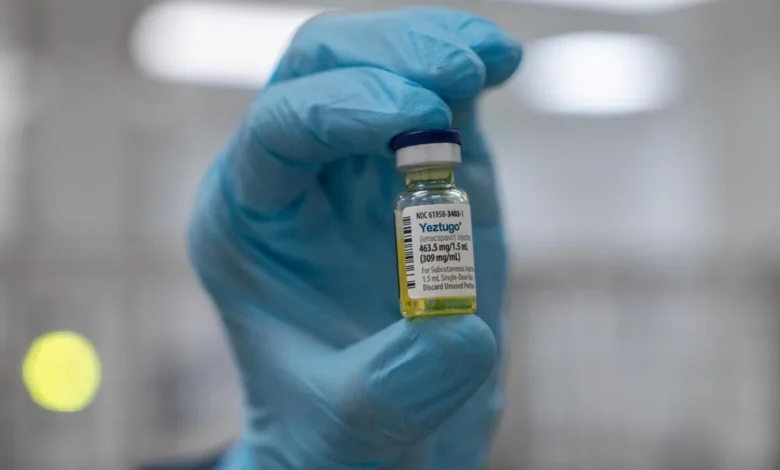
LONDON – Almost 40 per cent fewer people got a drug to help prevent HIV infection in 2025 than in the previous year, as global aid funding cuts hit preventive services particularly hard, early data presented by UNAIDS on June 12 showed.
Across 62 countries, 38 per cent fewer people received pre-exposure prophylaxis, or PrEP, at least once in 2025 compared with 2024, the agency said.
That represented a decline of 1.2 million people – from 3.3 million to 2.1 million – across countries, including Nigeria, Cameroon and Uganda.
Funding for condoms, another preventive tool, fell by more than 90 per cent in some countries, the report added.

“We are undergoing perhaps the most serious disruption of HIV services since the HIV response started,” said Winnie Byanyima, head of UNAIDS. “We can’t sit here thinking that the impact isn’t so dramatic.”
She said funding cuts, combined with rising pushback on the rights of key populations – notably LGBTQ people – have combined to bring about the drop in access, which would lead to a rise in new infections and deaths in the coming years without action.
In 2025, new infections declined slightly year on year by around 100,000 to 1.2 million, though HIV testing fell by 22 per cent in some high-burden countries, so the full picture is unclear, Byanyima added.
However, the number of people on treatment rose by 2.7 per cent year on year, with 32.1 million people taking antiretroviral drugs as at December 2025.
This was slightly below previous annual average increases of around 4 per cent, UNAIDS said, but was also a sign that countries and communities had stepped up to fill in the gaps on treatment and avert the worst-case scenario some had predicted when funding fell.
Nevertheless, they were not coping as well with the funding cuts to prevention, the data showed.
Domestic funding for addressing HIV rose in a number of countries for the first time since the Covid-19 pandemic, the report added, although the agency warned about the closure of large numbers of community-based organisations that were the backbone of the response and largely funded by international aid.
UNAIDS released the data ahead of a high-level meeting on HIV/AIDS at the United Nations in New York later in June, calling for global solidarity.
But the agency itself is also battling for its own future, after the UN proposed closing it in 2026 to cope with its own funding crisis.
Byanyima said there is a “transformation” of the agency under way, and a final report would come out in October.
“What I’m certain about is that the United Nations will not drop its leadership role in the global response,” she said. REUTERS