LONDON – Despite the wreckage left by Iran’s 16-week war with the US and Israel, the country’s potential outlook over the long term is brighter than it has been in years.
For the first time in decades, Iran’s status as an international economic outlaw could be nearing an end, allowing a leading oil producer to re-establish ties with the rest of the globe.
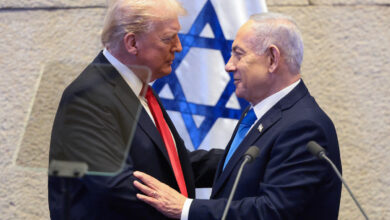
The path from the agreement between US President Donald Trump and President Masoud Pezeshkian of Iran to a final pact is strewn with obstacles. On June 19, officials in Switzerland said talks between the US and Iran had been postponed and Israel launched strikes in Lebanon.
Still, if the deal signed by Trump holds, the dagger in Iran’s side – punishing sanctions on its oil exports and financial transactions – could soon be removed.


Billions of dollars in Iranian assets that have been frozen could be released. Trump also agreed to work with other countries in the region to set up a US$300 billion (S$387 billion) fund to help reconstruct and develop Iran’s economy.
And for the first time, Iran, an energy superpower sitting astride the world’s most important choke point for oil, may be able to establish a new revenue stream.
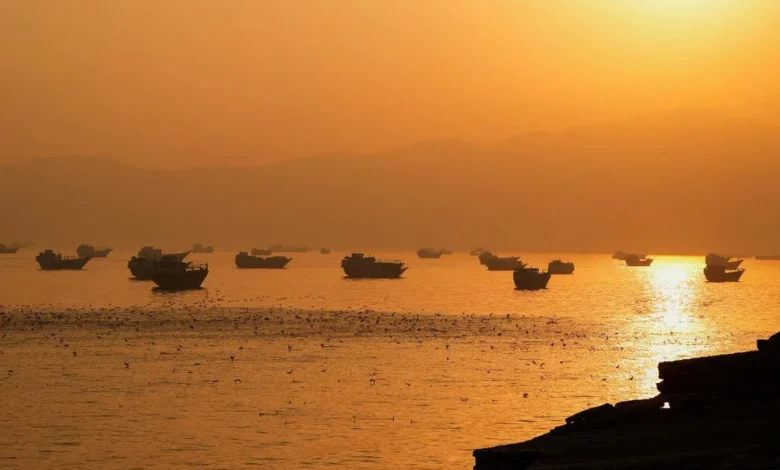
Iran has threatened to start collecting money from the thousands of cargo ships that sail through the Strait of Hormuz each year. Such a development would have been unthinkable before the war started, but has now been teed up in the US-Iranian agreement.
“This is really a remarkable document,” said Esfandyar Batmanghelidj, chief executive of the Bourse & Bazaar Foundation, a research organisation based in London. The agreement “sets ambitious goals for where the US-Iran relationship can end up”.
“There is a recognition in Tehran that Trump is fickle, he’s difficult to negotiate with, he has demonstrated himself to be untrustworthy,” Batmanghelidj said. “But he has a capacity to pursue transformative diplomacy that no other US president before him has had.”
Iran, long considered a US arch-enemy, is one of the world’s most heavily punished countries through sanctions because of its support for international terrorism and its nuclear weapons programme. Such a far-reaching plan for ending sanctions, and hostilities, had never been on the table before.
“And that’s what makes this whole process so fraught, but also so tantalising, for the Iranians,” Batmanghelidj said.
Adnan Mazarei, a former deputy director at the International Monetary Fund, pointed out that the war had also undermined trust in Washington’s security guarantees for the Arab nations that border the Persian Gulf.
The framework now paves the way for altered regional relationships.
Iran’s ties with the United Arab Emirates (UAE) are especially important to its economic future. The UAE had served as a crucial hub for Iranian trade, finance and businesses.
“It’s not clear to what extent that will be resuscitated,” Mazarei said.
Over the next 60 days, while a final agreement is expected to be negotiated, a series of confidence-building measures are planned that will offer some economic relief for Iran’s embattled population of roughly 90 million.
These include the reopening of the strait and the end of the US blockade of Iran’s seaborne trade that began in April. The Trump administration agreed to allow Iran to start exporting oil, a crucial source of revenue. That means the country will no longer have to sell its oil at a sanctions-related discount.
Some frozen Iranian funds held in other countries were also slated to be released.
The end of the blockade could also mean Iranians will not have to pay a black-market premium on imported goods.
Whether more galvanic and long-lasting economic progress is achieved depends a lot on the country’s enigmatic leadership.
There is a risk that the Iranian government could “overplay its hand” and derail the peace process, said Kislaya Prasad, academic director of the Center for Global Business at the University of Maryland.
The government’s handling of the economy going forward is also crucial. Sanctions were crippling, but so were government mismanagement, brutal repression and corruption. The combination has fuelled inflation, soaring unemployment and civil unrest.
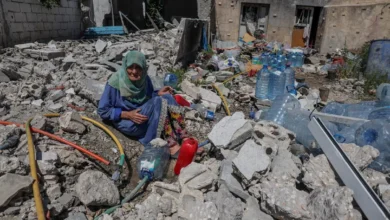
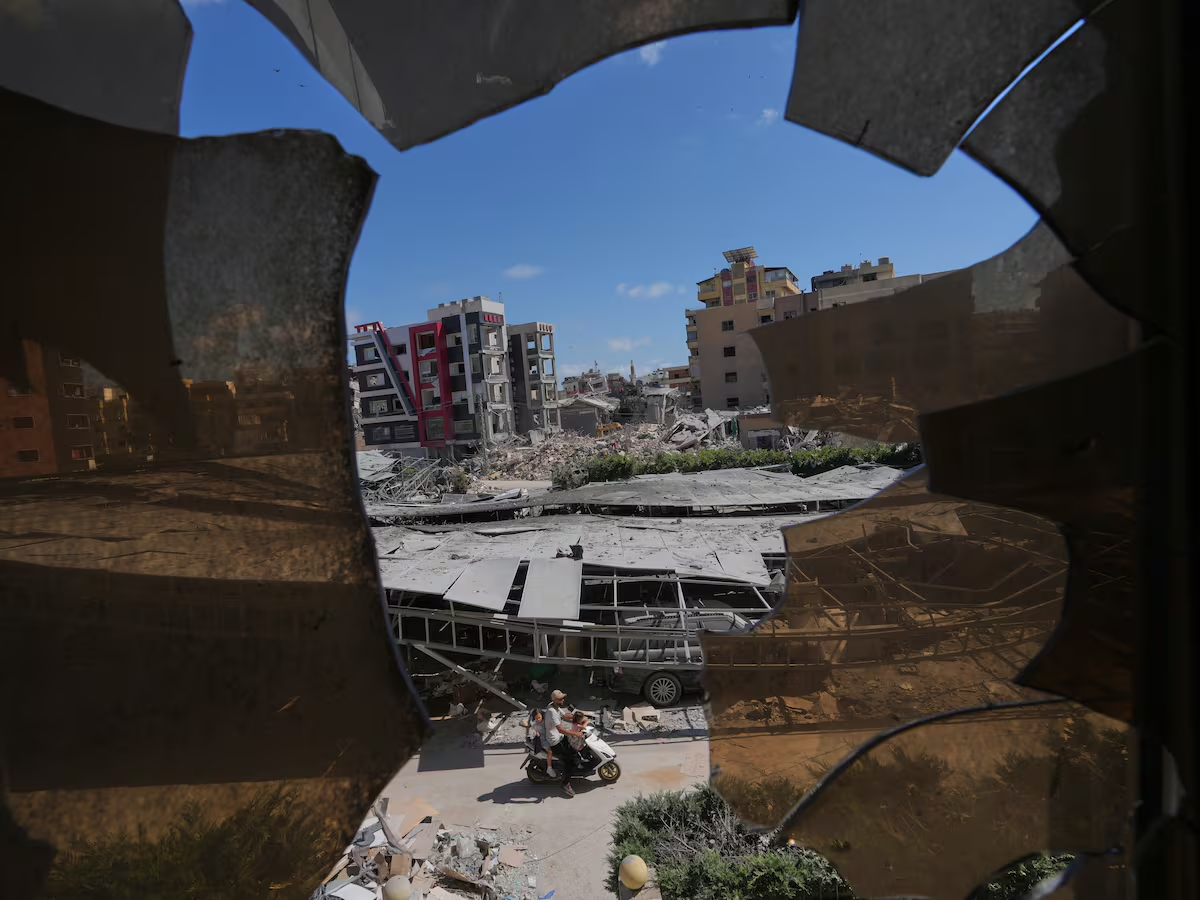
An easing of international tensions does not necessarily mean that Iran’s severe internal problems and constraints will disappear. Aside from the extensive damage the war has done to Iran’s energy, industrial and transport infrastructure, there have been years of severe underinvestment and shortages.
The international sanctions forced Iran to manufacture more of what it needed at home. That caused the economy to diversify, which could help it in the long run.
“What makes me hopeful about the future is the removal of financial sanctions, more so than oil,” said Djavad Salehi-Isfahani, a professor of economics at Virginia Tech who arrived in Tehran on June 18.
While the lifting of oil sanctions and the unfreezing of Iranian assets would bring money to the government, he said, the end of financial restrictions could bring money to Iranians. And that would catalyse the economy.
No one knows how the government will use its revenues, Salehi-Isfahani said, but allowing Iranians to buy and sell on the global market is what can create businesses and jobs. And the fact that the Iranian rial is so undervalued will help them compete with countries like Bangladesh and China.
“It’s all about having the ability to sell oil and other stuff,” Salehi-Isfahani said. NYTIMES
This article originally appeared in The New York Times.