Nigerian Institute of Town Planners, NITP, has expressed reservations over the non-domestication of the Nigerian Urban and Regional Planning law of 1992 by many states in the country.
It urged traditional rulers to assist in promoting sustainable physical planning, environmental management, and orderly urban development in Nigeria.
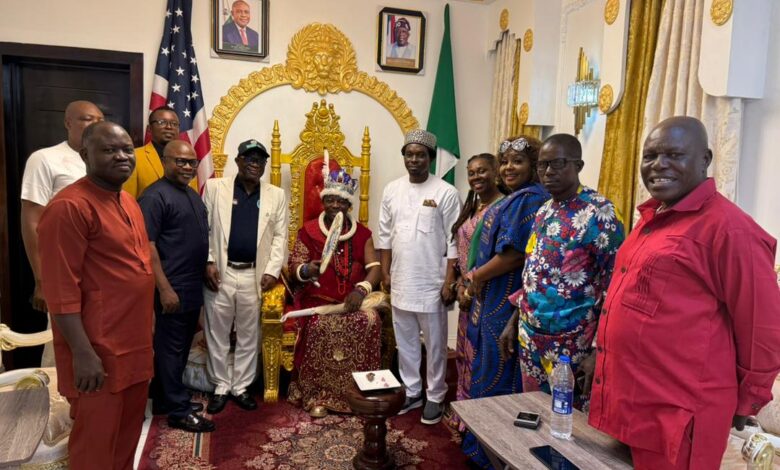
The Assistant National Public Relations Secretary of NITP, Mr Ufot-Akpabio, in a press statement on Tuesday, said the institute made the call during a courtesy visit to the Chairman, Enugu State council of traditional rulers and Ogadagidi 1 of Edem Ani Kingdom, HRM Igwe Asadu.
The delegation, which was led by the National President of NITP, Dr Chime Ogbonna expressed hope that with the new collaboration with traditional institutions, issues of town planning and environmental management would be prioritised.


The statement in parts, “The National President informed HRH Igwe Asadu, the Ogadagidi 1 about the non- domestication of the Nigerian Urban and Regional Planning law of 1992 by many states including Enugu state and called on him to assist the Institute in that direction both in Enugu state and beyond.”
He also commended the Royal father for his leadership and dedication to the preservation of traditional values, promotion and maintenance of peace and good governance in Enugu state and Nigeria at large, even as he intimated him of their upcoming
2026 International Conference/60th Anniversary.
In his response, Igwe Asadu thanked the National President and his entourage for the visit and informed them of the benefits of Town Planning and his preparedness to support the Institute to achieve its desired goals.
He commended the Nigerian Institute of Town Planners for its professional contributions toward the development of functional cities, towns, and communities across the country and assured the Institute of the continued support and cooperation of the traditional institutions in advancing sustainable development initiatives and encouraged the Institute to continue in its advocacy drive across the country.