The International Organization for Migration (IOM), a United Nations agency, on Tuesday in Lagos received more than 180 Nigerian migrants, including women and children, who were voluntarily returned from Libya.
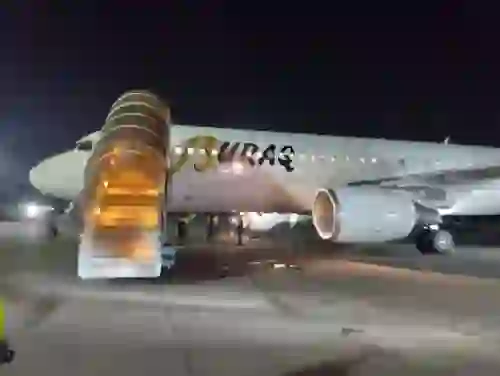
The returnees arrived at the Murtala Muhammed International Airport in Lagos through the Pilgrims and Cargo Terminal aboard a chartered Buraq Airline flight at about 8:15 p.m., according to the News Agency of Nigeria (NAN).
The migrants, largely women and children, were rescued from various detention facilities and transit routes in Libya, particularly around Benghazi, before being repatriated under a voluntary return programme.
Speaking at the airport, IOM Sub-Head in Lagos, Ali Ali Ibrahim, said the exercise formed part of ongoing efforts by the agency in collaboration with the Nigerian government and partners, including the European Union, to support stranded migrants.
“We are here tonight to welcome home 180 Nigerian migrants from Libya after difficult journeys along migration routes,” Ibrahim said.

He explained that many of the returnees had embarked on the journey in search of better opportunities but ended up facing harsh conditions, uncertainty, and, in some cases, exploitation.
“Today, there is relief, but returning is only the first step. Working closely with the Government of Nigeria and with support from the European Union, IOM is helping them return into a pathway toward recovery,” he added.
According to figures provided by the agency, the returnees included adult males and females, as well as children and infants. The group also comprised unaccompanied minors who arrived without parents or guardians.
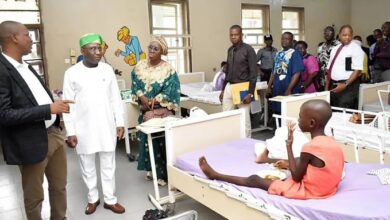
Upon arrival, the migrants underwent health screening, counselling, and reception support. Those eligible will also receive reintegration assistance, which includes skills training, psychosocial care, and small business support aimed at helping them rebuild their lives.
Ibrahim noted that for nearly a decade, more than 65,700 Nigerians have been safely returned under similar programmes, with over 52,200 already receiving reintegration support.
He stressed that with proper assistance and sustained partnerships, return migration could become an opportunity for recovery, dignity, and rebuilding livelihoods.