Megawatt diplomacy: Water as the missing link in the new architecture of Middle East energy security

From oil geopolitics to the water-energy nexus
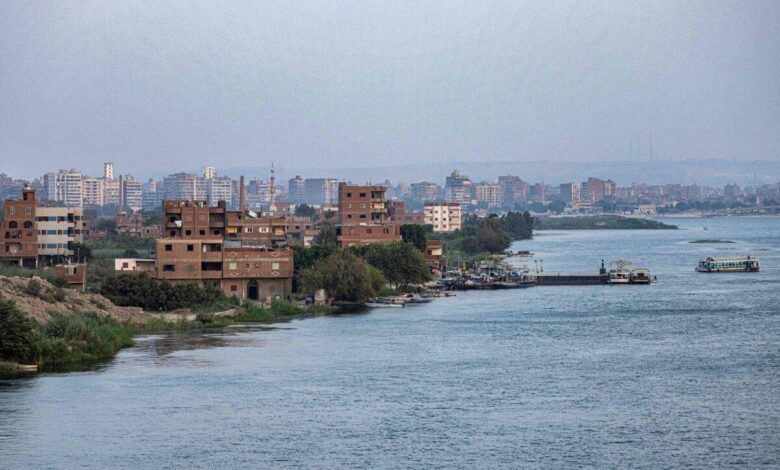
For more than a century, energy security in the Middle East has been defined by oil and gas. Strategic waterways, export routes, production capacities and geopolitical rivalries have shaped the region’s role in the global energy system. Yet while policymakers continue to debate energy transitions, decarbonisation and the future of hydrocarbon markets, a more fundamental challenge is emerging beneath the surface: water.
The Middle East is simultaneously one of the world’s most energy-rich regions and one of its most water-scarce. This reality is not merely an environmental concern; it is increasingly becoming a strategic one.
As the region seeks to maintain its energy leadership while adapting to climate change and economic transformation, water is emerging as a decisive factor in the future of energy security.

The forgotten foundation of energy security
Energy and water have long been treated as separate policy domains across much of the Middle East. In reality, however, the two are deeply interconnected.
Oil and gas extraction require water. Refineries consume water. Thermal power plants depend on water for cooling. Petrochemical industries require reliable water supplies. Even renewable energy projects and the production of green hydrogen rely on significant quantities of water.
This means that future energy security cannot be measured solely by reserves, production capacity or export infrastructure. It must also be assessed through the availability and sustainability of water resources.
Countries may possess abundant hydrocarbons, but without sufficient water, their ability to sustain energy production and industrial growth will become increasingly constrained.
Electricity diplomacy: The new power in the Middle East
Megawatt diplomacy in an era of scarcity
The concept of energy diplomacy has traditionally revolved around oil contracts, pipeline politics and gas exports. The emerging reality of the twenty-first century demands a broader framework—one that may be described as “Megawatt Diplomacy”. Megawatt Diplomacy refers to a new model of regional cooperation in which electricity networks, desalination technologies, renewable energy projects and water management become central pillars of strategic engagement.
The Gulf states have invested heavily in desalination infrastructure and renewable energy projects. Other countries possess valuable water resources but often lack investment, technology or energy infrastructure. These asymmetries create opportunities for cooperation rather than competition.
Regional electricity interconnections, shared desalination initiatives and cross-border investments in water and energy infrastructure could generate forms of interdependence that strengthen regional stability.
Green hydrogen and the new geography of power
Across the Middle East, governments are positioning themselves for the emerging hydrogen economy. Saudi Arabia, the United Arab Emirates and Oman have announced ambitious plans to become major exporters of green hydrogen. Yet there is a critical reality often overlooked in discussions about the energy transition: green hydrogen requires water.
As global demand for low-carbon energy sources grows, access to sustainable water resources will become a strategic advantage.
In the coming decades, water may prove just as important to the energy economy as oil was during the twentieth century.
The countries that successfully integrate water policy with energy strategy will be better positioned to lead in the next phase of global energy competition.
The geopolitics of energy algorithms: Who will control oil markets in the age of Artificial Intelligence?
Rethinking regional security
The architecture of Middle East energy security is undergoing a profound transformation. Oil and gas will remain important, but they will no longer be sufficient on their own.
Climate resilience, renewable energy systems, electricity connectivity and sustainable water management are becoming essential components of national and regional security.
This shift requires policymakers to rethink traditional assumptions.
Water can no longer be viewed solely as an environmental issue or an agricultural resource. It is increasingly a geopolitical asset, an economic necessity and a strategic determinant of energy security.
Conclusion
The Middle East is entering an era in which the geopolitics of energy will be inseparable from the geopolitics of water. If the twentieth century was defined by oil diplomacy, the decades ahead may well be defined by Megawatt Diplomacy—a framework in which water becomes the missing link connecting energy production, economic development and regional stability.
The most important question for the region’s future is no longer which country possesses the largest oil reserves. It is which countries can most effectively manage the relationship between water, energy and security in a rapidly changing world.
The views expressed in this article belong to the author and do not necessarily reflect the editorial policy of Middle East Monitor.