Nigeria records nearly 50 million cases of foodborne illnesses every year, with unsafe food responsible for more than 53,000 deaths annually, the minister of State for Health and Social Welfare, Iziaq Adekunle Salako, has said.
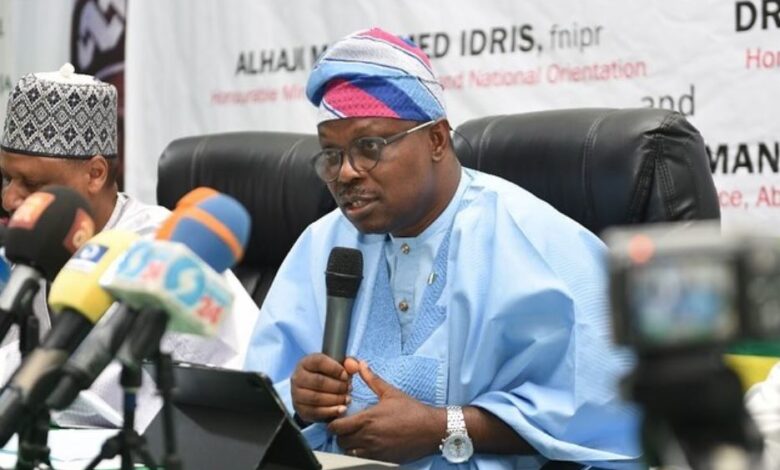
He spoke on Monday while commemorating the 2026 World Food Safety Day, themed “From Burden to Solutions – Safe Food Everywhere.”


Speaking virtually at an event held in Abuja, Salako said the latest estimates by the World Health Organisation (WHO) paint a troubling picture of the burden of foodborne diseases in Nigeria, particularly among children.
He said the illnesses and deaths linked to unsafe food result in approximately 4.26 million years of healthy life lost annually due to illness, disability, or premature death.
He noted that children under the age of five bear more than 80 per cent of the country’s foodborne disease burden, warning that the impact extends beyond sickness and mortality to include lost cognitive, physical, and developmental potential.
“In practical terms, this means the true cost of unsafe food in Nigeria is not only measured in sickness and death, but also in the lost cognitive, physical and developmental potential of our children,” he said.
The minister explained that the majority of foodborne illnesses in Nigeria are caused by diarrhoeal pathogens, with over 40 million cases linked to contaminants such as Salmonella, E. coli, Campylobacter, Shigella and rotavirus.
He said these infections remain major contributors to hospitalisation, malnutrition and deaths among young children.
Salako also raised concerns over the growing threat of chemical contamination, particularly lead exposure through contaminated grains, spices and water sources, which he said accounts for tens of thousands of healthy years lost to illness and disability.
Despite the challenges, the minister highlighted progress made by Nigeria in strengthening food safety systems.
He said Nigeria’s 2023 Joint External Evaluation recorded measurable improvements in food safety capacity indicators, while the country’s 2025 State Party Annual Report score placed it above the WHO food safety target for low- and middle-income countries and Sub-Saharan Africa.
According to him, the country has strengthened collaboration through the National Food Safety Management Committee and developed the 2023 National Integrated Guidelines for Foodborne Disease Surveillance and Response to improve disease detection, outbreak investigation, food recalls and risk communication.
However, Salako stressed that the new WHO estimates should serve as a wake-up call for greater action.