When most people think about Nigerian universities, they think about lectures, examinations, admission lists, school fees, and graduation ceremonies. But behind the classrooms, crowded lecture halls, and academic calendars lies a fascinating world filled with history, innovation, traditions, and surprising achievements that many students never hear about.
From institutions older than some African nations to campuses that have produced presidents, Nobel Prize nominees, global business leaders, and groundbreaking researchers, Nigerian higher education has a story far richer than most people realize.
Whether you’re preparing for university admission, currently studying, or simply curious about higher education in Nigeria, these interesting facts will give you a fresh perspective on the country’s university system.
Why Nigerian Universities Are More Fascinating Than Many People Think
Nigeria has one of the largest higher education systems in Africa. With federal, state, and private institutions spread across the country, universities play a critical role in shaping the nation’s future. Yet beyond academics, many of these institutions have unique stories, records, and achievements that set them apart.

Here are ten fascinating facts you probably didn’t know.
1. Nigeria’s First University Was Established Before Independence
Many students are surprised to learn that the University of Ibadan, Nigeria’s first university, was established in 1948. This was more than a decade before Nigeria gained independence in 1960.
Originally founded as a college affiliated with the University of London, it laid the foundation for modern higher education in Nigeria. This shows that university education in Nigeria has deep historical roots and has been developing for over seven decades.
2. Nigerian Universities Have Produced Presidents and National Leaders
Several Nigerian presidents, governors, ministers, and lawmakers earned degrees from Nigerian institutions. Universities have long served as training grounds for leadership and public service.
Many of the country’s most influential decision-makers once sat in the same lecture halls as today’s students. The next major leader, policymaker, or innovator could be sitting in a university classroom right now.
3. Some Universities Are Larger Than Entire Towns
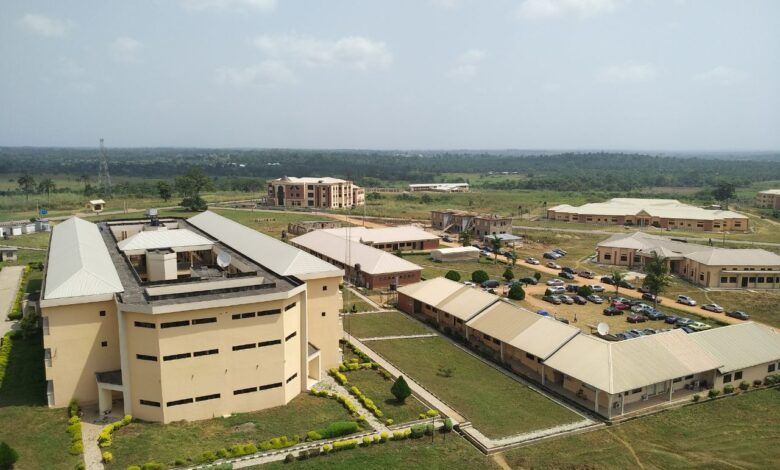
Certain campuses in Nigeria occupy enormous land areas. Institutions such as Ahmadu Bello University and Obafemi Awolowo University have sprawling campuses containing lecture halls, hostels, hospitals, research centers, religious facilities, and commercial areas.
Some campuses function almost like self-contained communities. For many students, university life involves living in an environment that feels like a small city.
4. Nigeria Has More Universities Than Ever Before
A few decades ago, the number of universities in Nigeria was relatively small. Today, the country has hundreds of universities across federal, state, and private categories.
The growth reflects increasing demand for higher education and expanded access to learning opportunities. Students now have significantly more choices when selecting institutions and academic programs.
5. Some Nigerian Universities Have Their Own Teaching Hospitals
Many leading institutions operate teaching hospitals that provide healthcare services while training future medical professionals. These facilities contribute to healthcare delivery and medical research across the country.
Thousands of doctors, nurses, and healthcare specialists receive practical training through these hospitals. Universities not only educate students; they also provide essential services to society.
READ RELATED STORIES
Forgot Your NYSC Login Password? Here’s How to Recover It
Private vs Federal Universities in Nigeria: Which offers better value?
Top 10 federal universities In Nigeria ranked by reputation, experience
6. Student Union Activism Has Influenced National Conversations
University students have historically played important roles in discussions about governance, democracy, and social development. Student movements have often contributed to debates on issues affecting the nation.
Many influential activists and public figures began their journeys in campus organizations. University life can help students develop leadership, communication, and advocacy skills beyond academics.
7. Many Nigerian Universities Are Internationally Recognized for Research
While discussions often focus on teaching, several Nigerian universities contribute significantly to global research. Researchers from Nigerian institutions have published studies in medicine, agriculture, engineering, technology, and social sciences.
Many collaborate with scholars and organizations worldwide. Nigerian universities are increasingly contributing to solutions for both local and global challenges.
8. The Academic Calendar Has Shaped Student Decisions for Years
One factor many applicants consider is the stability of a university’s academic calendar. Over time, some institutions have developed reputations for completing academic sessions more consistently than others.
This has become an important consideration for students who want predictable graduation timelines. A university’s academic calendar can influence career planning, postgraduate studies, and employment opportunities.
9. Nigerian Universities Have Produced Some of Africa’s Most Famous Writers
Nigeria is home to some of Africa’s most celebrated literary figures. Many renowned authors developed their skills within university environments where intellectual discussions, literary clubs, and academic communities encouraged creativity.
Universities continue to nurture future writers, journalists, and storytellers. Some of the books shaping African literature today may have begun as ideas in university classrooms.
10. Campus Life Teaches Lessons Beyond the Classroom
One of the most important facts about Nigerian universities is that learning extends beyond academics. Students often develop skills such as leadership, teamwork, problem-solving, networking, and independence through daily campus experiences.
Many graduates later discover that these life skills are just as valuable as their degrees. University education is not only about earning qualifications; it is also about personal growth and preparation for adulthood.
What These Facts Reveal About Nigerian Universities
Looking at these facts collectively reveals an important truth. Universities are far more than institutions where students attend lectures and write examinations.
They are centers of innovation, leadership development, research, culture, and social transformation. The experiences students gain during their university years often influence their careers, relationships, and personal development long after graduation.
Understanding this broader role can help prospective students make more informed decisions about their educational journeys.
Why Students Should Learn About University History and Culture
Many applicants focus solely on admission requirements, cut-off marks, and tuition costs. While these factors are important, understanding a university’s history, culture, and achievements can provide valuable context.
A university’s traditions, values, alumni network, and reputation often contribute significantly to the overall student experience. The more informed students are, the better positioned they will be to choose institutions that align with their goals.
Frequently Asked Questions
How many universities are there in Nigeria?
Nigeria officially has 312 accredited universities across federal, state, and private categories. The number continues to grow as new institutions receive approval to operate.
What is the oldest university in Nigeria?
The University of Ibadan, established in 1948, is widely recognized as Nigeria’s oldest university.
Do Nigerian universities conduct research?
Yes. Many Nigerian universities actively conduct research in areas such as medicine, agriculture, engineering, technology, education, and social sciences.
Why do students consider academic calendar stability when choosing a university?
A stable academic calendar helps students graduate on schedule, plan their careers effectively, and reduce uncertainty during their studies.
Are Nigerian universities only focused on academics?
No. Universities also help students develop leadership skills, professional networks, communication abilities, and other life skills that contribute to future success.
Conclusion
Nigerian universities are filled with stories, achievements, and traditions that often go unnoticed. From producing national leaders and global scholars to advancing research and shaping communities, these institutions play a much larger role than many people realize.
For prospective students, understanding these fascinating facts provides a deeper appreciation of what university education truly represents. Beyond lectures and examinations lies an environment designed to challenge minds, develop character, and prepare future generations for the opportunities and responsibilities ahead.
The next time you think about Nigerian universities, remember that every campus has a story, and you could become part of the next chapter.