NLNG Train 7, Produces 70 New Energy Professionals As Skills Gap in Oil, Gas Sector Persists

0
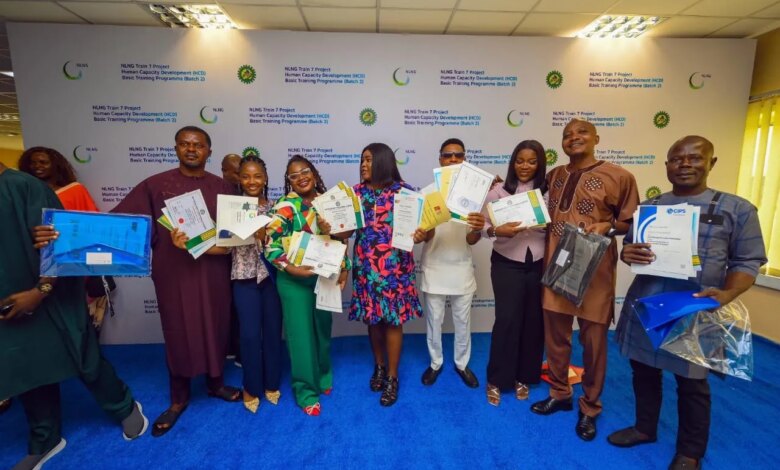
Seventy young Nigerians have graduated from the Human Capacity Development (HCD) Basic Training Programme under the Nigeria LNG Limited Train 7 project, marking another milestone in efforts to build a skilled workforce for Nigeria’s oil and gas industry amid growing concerns over talent shortages in the energy sector.
The latest cohort completed a one-year intensive training programme designed to equip participants with technical and professional competencies required in modern energy operations. The training covered critical areas including data analysis, supply chain management, health and safety, business administration, and information technology.
The programme, implemented under the NLNG Train 7 project in collaboration with the Nigerian Content Development and Monitoring Board, is part of broader efforts to deepen local capacity and reduce Nigeria’s dependence on expatriate expertise in specialized oil and gas operations.


With the graduation of the 70 trainees, the NLNG/NCDMB Human Capacity Development initiative has now trained a total of 401 young Nigerians, significantly expanding the pool of industry-ready professionals available to support Nigeria’s energy value chain.
The development comes at a time when industry experts continue to stress the need for strategic investments in human capital to sustain growth in Nigeria’s petroleum sector, especially as the country pursues ambitious gas expansion targets and energy transition goals.
Train 7 remains one of Nigeria’s most significant gas infrastructure projects. The expansion project is expected to increase NLNG’s production capacity from 22 million tonnes per annum to 30 million tonnes per annum, strengthening Nigeria’s position in the global liquefied natural gas market.
Beyond boosting production capacity, stakeholders have repeatedly described Train 7 as a major economic catalyst expected to create thousands of direct and indirect jobs while stimulating technology transfer and local content development.
Analysts say human capital development has become increasingly important as the energy sector evolves, with digital transformation, automation, and sustainability considerations reshaping workforce requirements.
By investing in youth-focused technical training, NLNG and NCDMB are positioning more Nigerians to benefit from emerging opportunities across upstream, midstream, and downstream operations.
The graduation of the new trainees signals continued momentum in local capacity development, reinforcing calls for stronger industry-academia partnerships to ensure Nigeria produces enough skilled professionals to meet the future demands of its fast-changing energy landscape.