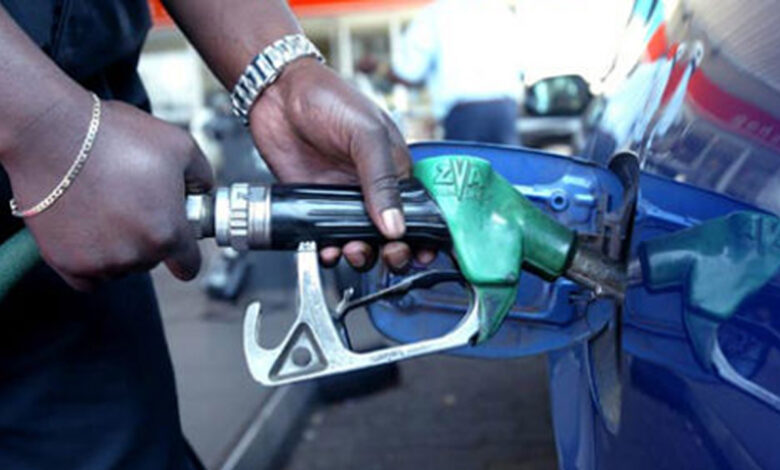
The Nigerian National Petroleum Company Limited (NNPCL) has reduced its petrol pump price for the second time in four days.
According to a market survey conducted by Daily Post, NNPCL retail outlets around Airport Junction, Wuse Zone 6, and Berger in Abuja had reduced the pump price of petrol to ₦1,210 per litre from ₦1,260 per litre.
Naijaonpoint reports that the latest adjustment means that the state-owned oil company slashed petrol price by ₦50 per litre.
The development came barely two days after Dangote Refinery reduced its petrol gantry price by ₦50 to ₦1,125 per litre.


It also followed an earlier adjustment by NNPCL four days ago, when the company reduced its fuel pump price by ₦75 per litre to ₦1,260 per litre.
With the latest reduction by NNPCL retail outlets, petrol prices now range between ₦1,210 and ₦1,305 per litre in Abuja and its environs.
The reduction in domestic petrol prices came amid a drop in global crude oil prices.
West Texas Intermediate crude traded around $69 per barrel, while Brent crude stood at about $71 per barrel, following the easing of conflict in the Middle East.
The decline in crude oil prices has continued to fuel public expectations that domestic petrol pump prices should also drop significantly.
Naijaonpoint recalls that the Dangote Petroleum Refinery recently reduced the prices of diesel and aviation fuel at its loading gantry, days after lowering the price of petrol.
The refinery cut the price of Automotive Gas Oil, popularly known as diesel, by ₦100 per litre.
According to Punch, the product, which previously sold at ₦1,700 per litre, now costs ₦1,600 per litre.
Aviation Turbine Kerosene, also known as jet fuel, also recorded a ₦100 reduction, dropping from ₦1,550 per litre to ₦1,450 per litre.
The latest adjustment came shortly after the refinery announced a ₦75 reduction in the gantry price of Premium Motor Spirit, commonly called petrol.
Petrol was reduced from ₦1,250 per litre to ₦1,175 per litre.
The price cuts have been linked to the recent decline in global crude oil prices following easing tensions in the Middle East.