SAO PAULO/Brasilia, June 5 – The U.S. designation of Brazil’s biggest criminal groups as Foreign Terrorist Organizations (FTOs) starting Friday is likely to increase the risks and costs of doing business in a country where gangs have had years to penetrate the formal economy.
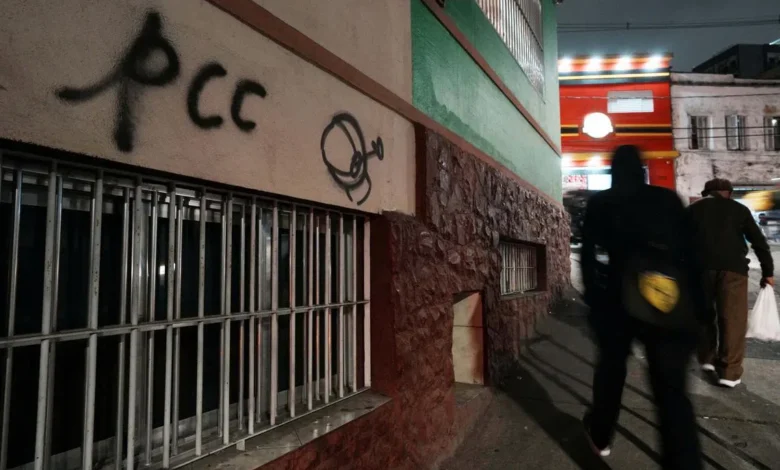
The two biggest Brazilian crime syndicates, the Comando Vermelho (CV) and Primeiro Comando da Capital (PCC) began as prison gangs in the late 1970s and early 1990s, respectively. They have since grown to dominate the drug trade across South America, with money laundering operations sprawling into far corners of Brazil’s mainstream economy.
Investigators recently found both groups burrowing deep into sectors such as fuel distribution, real estate and finance, spawning fraud as they launder billions in drug profits.
The terrorist designation for the gangs, announced in Washington last week and rejected by Brazil’s government, opens the door for heavy U.S. sanctions, criminal probes and civil liability even for firms that deal indirectly with the groups.

Asset freezes, banking restrictions and greater regulatory scrutiny are also on the table, Brazilian law firm Pinheiro Neto Advogados said in a note.
The U.S. policy “internationalizes a risk that the Brazilian financial sector was already obligated to manage,” said Rodrigo Caldas de Carvalho Borges, a partner at law firm CBA Advogados. “The most immediate impact will be a deepening of due diligence processes and higher demands from international partners.”
The risks – and costs of compliance – extend far beyond financial services. From logistics and infrastructure to mining, agribusiness, gambling and cash-heavy consumer franchises, few sectors of the Brazilian economy have escaped the gangs’ money laundering schemes.
For example, a major police operation in August revealed a scheme moving some 52 billion reais ($10.3 billion) through PCC-controlled gas stations and fuel distributors from 2020 to 2024.
Another phase of the investigations last week found some $5 billion of money laundering over four years via fintechs and investment funds headquartered along the prestigious Avenida Faria Lima in Sao Paulo, the heart of Brazilian finance.
Lower barriers to entry and looser oversight for Brazil’s fintech startups have made them a tempting channel to launder drug money in recent years. That could mean larger lenders with stiffer governance controls can steer clear of the worst.
In Mexico, where U.S. terrorist designations for drug traffickers last year also brought scrutiny to money laundering operations, Washington shut down just two smaller commercial banks and a brokerage over their ties to cartels.
But the affected institutions’ small market share and footprint, along with a swift regulatory response, have helped limit the risk of wider market disruption, Fitch Ratings then said about Mexico. REUTERS