The federal government is shifting focus from emergency response to long-term sustainability of health system investments made under the Global Fund COVID-19 Response Mechanism (C19RM), describing the programme as a catalyst for strengthening Nigeria’s health security architecture.
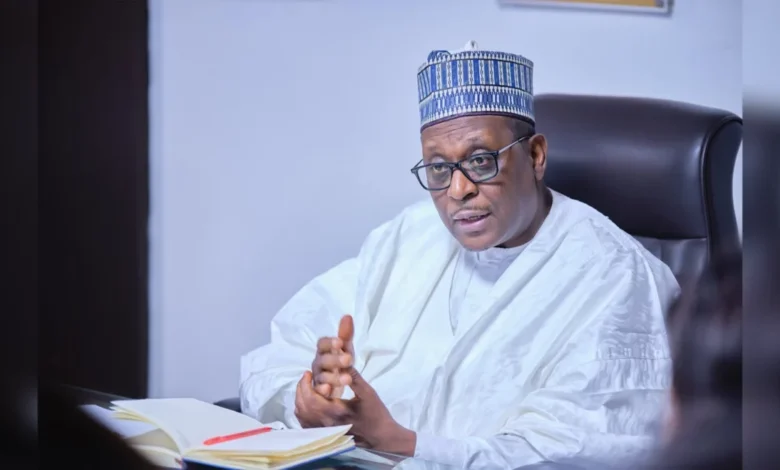
The coordinating minister of health and social welfare, Prof. Muhammad Ali Pate, made this known at the close-out meeting of the Global Fund C19RM Grant in Abuja, where stakeholders reviewed achievements, lessons learned and strategies for sustaining gains from the intervention.


The Global Fund C19RM grant was initially established to support Nigeria’s response to the COVID-19 pandemic by containing infections, reducing deaths and ensuring the continuity of essential health services, particularly HIV, tuberculosis and malaria programmes.
As the immediate threat of the pandemic subsided, the intervention evolved into a broader health systems strengthening initiative aimed at enhancing the country’s capacity to respond to future public health emergencies.
Prof. Pate said the COVID-19 pandemic underscored the importance of resilient health systems, noting that health security has become inseparable from national security, economic resilience and sustainable development.
Represented by a director in the Department of Hospital Services at the ministry, Vivian Okafor, the minister said the C19RM grant evolved beyond an emergency response intervention to become a strategic investment that strengthened critical components of the country’s healthcare system while safeguarding HIV, tuberculosis and malaria services during the pandemic.
“The most important lesson from C19RM is clear: emergency investments must leave behind sustainable systems. The true legacy of this programme is not just the equipment procured or the activities implemented. Its legacy lies in stronger institutions, better governance systems, enhanced workforce capacity, improved preparedness and stronger partnerships for the future,” he said.
The minister highlighted key achievements recorded under the programme, including improvements in disease surveillance and laboratory networks, expansion of oxygen infrastructure, strengthened infection prevention and control systems, enhanced healthcare supply chains and logistics, and the deployment of digital platforms and community-based structures that continue to support service delivery.
He described the close-out of the grant as a transition “from emergency response to preparedness, from project implementation to institutional ownership, and from short-term interventions to long-term health system resilience.”
Also speaking, the Director-General of the National Agency for the Control of AIDS (NACA), Dr. Temitope Ilori, said the C19RM grant provided critical support that enabled Nigeria to respond effectively to the COVID-19 pandemic while protecting essential health services nationwide.
She noted that the programme strengthened surveillance systems, laboratory capacity, oxygen infrastructure, infection prevention and control measures, supply chains, community engagement and emergency preparedness.
According to her, one of the programme’s greatest achievements was the partnership forged among government institutions, development partners, healthcare workers, civil society organisations and communities in pursuit of a common goal.