Weeks of tough Pakistani diplomacy backed by timely Qatar intervention secured US-Iran peace deal

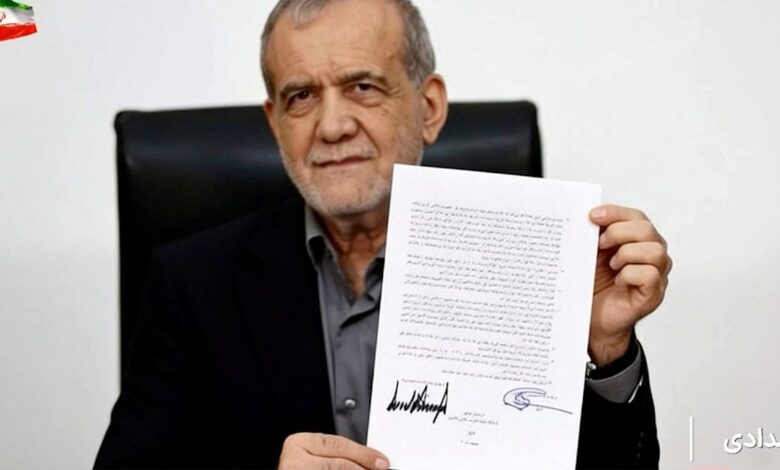
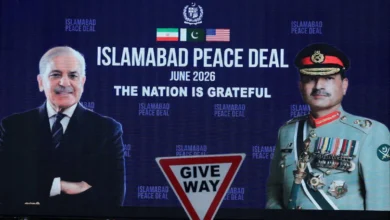
Pakistani mediators spent weeks juggling late-night calls and competing drafts before a Qatari push helped secure this week’s preliminary US-Iran deal, but turning it into a permanent agreement will prove harder, Reuters news agency has revealed.
The two sides now have 60 days of negotiations to reach a final settlement that covers complex subjects, including Iran’s nuclear programme.
Four Pakistani sources familiar with the talks said that just to get to the interim deal, they hit countless roadblocks that often shifted within days, ranging from proposed tolls in the Strait of Hormuz to the war in Lebanon.
Five Pakistani sources, speaking on condition of anonymity because of the sensitivity of the talks, said the announcement came after talks nearly collapsed several times, including on the final night. Two of those sources and a diplomat briefed on the negotiations said securing the framework deal required Qatar to step in.
Disagreements sometimes came down to single words, such as a 45-minute debate in late May on whether the text should use “etc.” or “including”, the diplomat said, without describing which clause the debate referred to.
Achieving a final settlement on issues including sanctions relief and management of the strait as well as restrictions on Iran’s nuclear programme — all while Washington and Tehran distrust each other’s intentions — could prove even more challenging, sources and analysts said.
Related
Qatar steps in
Soon after the first round of talks in early April, the US blockade of Iranian ports in the Strait of Hormuz became one of the sharpest disputes, while at the end of May, a call by US President Donald Trump for Iran and Pakistan to join the Abraham Accords and normalise relations with Israel also disrupted negotiations, four of the Pakistani sources said.
One of the sources said the arrival of a Qatari delegation in Tehran at the same time as a Pakistani team in early June was a key moment, as Doha was able to provide financial assurances to the Iranian leadership.
Doha had been reluctant to formally enter the process, the diplomat said, but that changed in mid-May after talks had stalled for about 10 days and military escalation seemed increasingly likely.
Qatar agreed to become more directly involved only if a ceasefire held and it was not attacked, the diplomat said. Its team then made five discreet trips to Tehran, often via Türkiye, to work through gaps in Pakistani drafts.
On May 19, after leaving Tehran with what they believed was a positive opening, the Qatari team flew to Washington, met senior US officials and made edits to the text while calling Iranian counterparts from inside the White House, the source said.