I met him through Ferial Haffajee, a fellow judge on the CNN African Journalist of the Year panel for several years and also a fellow member of the board of the World Editors Forum in those early days.
Ferial is one of the most outstanding journalists on the continent, but this article is not about her. It’s partly about the lesson I learned from Tony Weaver, formerly of the Daily Maverick of South Africa, whom Ferial introduced to me many years ago.

Take it off?
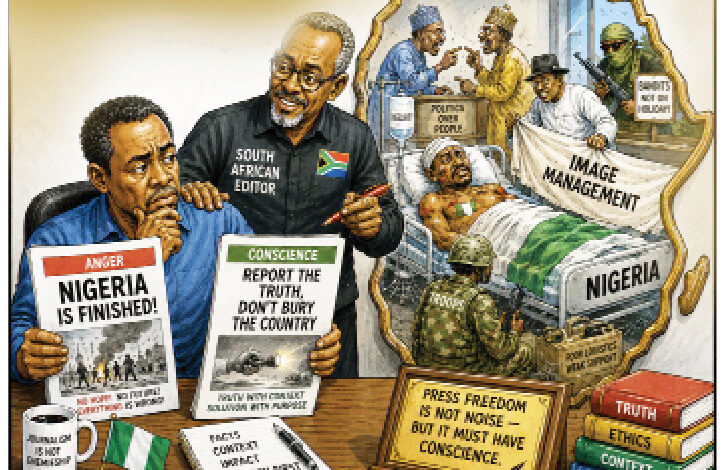
I remember Tony because of a recent request by Nigeria’s Minister of Information, Idris Mohammed, and the Director General of the State Security, Adeola Ajayi, that the press should remove – or downplay – reports about banditry that have become a daily fare on the front pages of Nigerian newspapers. Mohammed and Ajayi are not journalists, and journalists hate outsiders teaching them how to do their job.
Their joint news conference on June 19, calling out journalists, reminded me of my encounter with Tony in the early days of the Israeli war in Gaza. I had written a piece for Daily Maverick that was very critical of the Hamas attack on Israel. I was unsparing of the Hamas and Palestinian leadership and would have given them a whooping if I could.
Paying a debt
After days of waiting in vain for Tony, the Op-ed editor, to use my article, I called.
“Azu,” he said, “Great piece, as usual. But you know, South Africans owe the Palestinians a lot for the role the PLO played in our struggle for freedom. DM does not support any premeditated violence against innocent people, but the sentiment in the country is hugely in favour of the Palestinians. I’m sorry we’ll be unable to publish your piece.”
That got me thinking. How many times have I written or published an article motivated more by anger and frustration with the system than by the consequences of the impact of what I have written or caused to be published? I thanked Tony and took the lesson to heart.
The sins of politicians
The thing is, if you mind politicians or public officials, you will offend God. Whether in the Middle East, Africa, Europe or America, politicians are mainly responsible for the mess we’re facing today, but are often quick to find scapegoats.
Take Nigeria, for example. Even though the situation in the Sahel, especially after the collapse of Libya, has worsened violent extremism in the northern parts of the country, the choices that our politicians – and I’m talking about Northern politicians exploiting culture and religion – have made in the last 27 years have also impoverished more citizens, and fertilised radicalism. Didn’t Samuel Johnson say patriotism is the last refuge of scoundrels?
Not everything is political, of course. Changes in climatic conditions and a weakened landholding framework, for example, have led to an increase in violent farmer-herder clashes in central Nigeria.
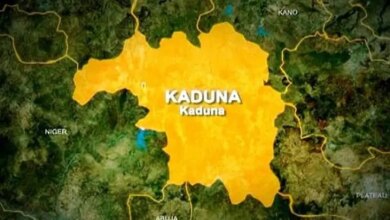
Yet, the arc of Nigeria’s insecurity has bent from mainly a north-east jihadist insurgency in 2015 to a fragmented national crisis 10 years later. Banditry and kidnapping are becoming as politically and economically destabilising as Boko Haram/ISWAP, mainly because of poor choices by politicians.
What can journalism do?
How can journalism turn a blind eye to such a travesty? As far as trust goes, a surprising 2023 report by the Reuters Institute for the Study of Journalism found that 57 per cent of Nigerians said they trusted most news most of the time, placing Nigeria 4th out of 46 markets surveyed worldwide.