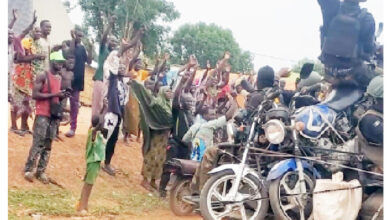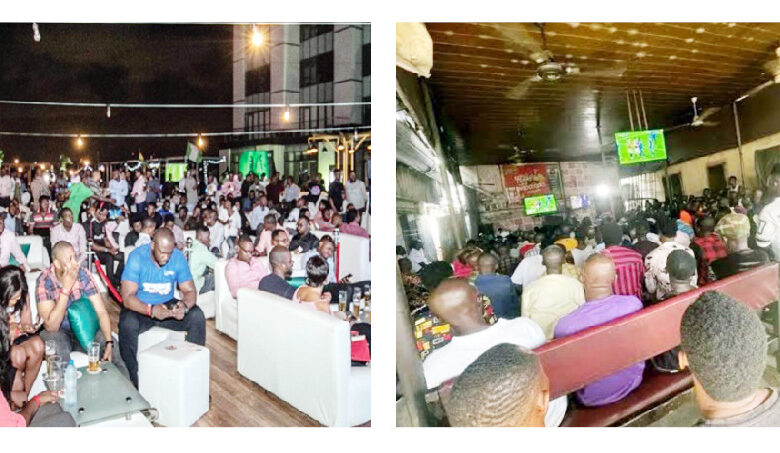
In the traditional rhythm of Nigerian life, June is the loudest month of the year. It is a season defined by the thunderous scraping of plastic chairs across concrete floors, the sharp hiss of chilled drinks being opened, and the deafening roar of hundreds of voices rising as one. This is the enduring magic of the football viewing centre — a secular cathedral where class, tribe and social status dissolve beneath the glow of a giant projector screen. Yet, as the 2026 FIFA World Cup unfolds amid the dazzling arenas of North America, many of these once-vibrant gathering places have been plunged into an unsettling quiet. Across Nigeria, reporters Affa Acho, Anayo, OnuKeugha, Abiodun Sivowaku and Abba Ibrahim Wada explored how the Super Eagles’ absence has drained the life from these cherished cultural hubs, leaving behind empty seats, fading excitement and a palpable sense of loss.
The giant screens are on. The projectors are working. The commentators’ voices echo through loudspeakers. Across Nigeria, World Cup matches are being played thousands of miles away in North America. Yet something is missing.


In Abuja, Lagos, Port Harcourt, Kano and many other cities, the familiar roar that usually accompanies football’s greatest spectacle has been replaced by an unusual quietness. Plastic chairs that would normally be occupied hours before kick-off remain empty. Food vendors wait for customers who never arrive. Viewing centre operators count losses instead of profits.
For the second consecutive World Cup, Nigeria is absent from football’s biggest stage. And while the disappointment of missing the tournament has been felt on the pitch and within the football establishment, perhaps nowhere is the impact more visible than among ordinary Nigerians whose lives, businesses and social routines have traditionally revolved around the Super Eagles during World Cup season.
The 2026 FIFA World Cup has produced drama, stunning goals and memorable performances. But for many Nigerians, the tournament feels incomplete. The country may be watching the World Cup, but it is doing so with a heavy heart.
A National Ritual Interrupted
Few events unite Nigerians quite like the World Cup. Every four years, viewing centres become temporary national theatres. Civil servants rush through work to catch the kick-off. Traders close shops early. Students gather around giant screens. Strangers celebrate together as though they have known one another for years.
The World Cup is more than football in Nigeria; it is a shared cultural experience. When the Super Eagles play, entire neighbourhoods come alive. Every attack sparks excitement. Every missed opportunity triggers collective frustration. Every goal unleashes scenes of jubilation that can shake entire streets.
That emotional connection has been absent this year following Nigeria’s failure to qualify after a painful playoff defeat to DR Congo. As participating nations showcase their squads and supporters across the globe, Nigerians were left to confront a reality few had anticipated: watching the World Cup without their own team. The result has been a dramatic shift in fan behaviour.
Abuja’s Viewing Centres Feel the Pain
In the Federal Capital Territory, the effects are impossible to miss. Wuse 2, one of Abuja’s most vibrant football districts, is usually packed during major tournaments. During previous World Cups, supporters would arrive hours before kick-off to secure seats. This year, however, many viewing centres are struggling to attract customers.
At T.B.I Lounge, operator Chijioke Nnamdi sits in a hall where empty chairs significantly outnumber patrons. “Before, people would start arriving two hours early to secure a seat,” he said. “Now I am begging people to come in for free, and they still refuse.”
According to Nnamdi, revenue has fallen by nearly 60 per cent since the tournament began.
To reduce costs, he now limits generator use to only the biggest fixtures. “The matches involving Brazil, Argentina and France still attract some people,” he explained. “But it is nothing compared to when Nigeria plays. Even a friendly involving the Super Eagles attracts more people than some World Cup games we are showing now.”
His experience reflects a wider trend. Across Abuja, many operators who traditionally rely on the World Cup as one of their most profitable periods of the year are struggling to stay afloat.
Why Nigerians Cannot Let Go
The challenge facing viewing centres is not simply about football. It is about identity. Nigerian supporters may admire international stars such as Lionel Messi or Kylian Mbappé. They may appreciate the tactical brilliance of European and South American football. But nothing compares to watching their own national team.