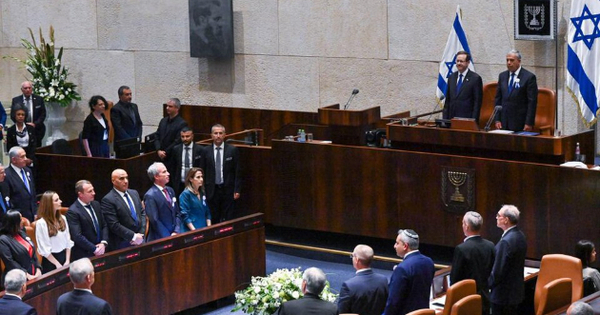
TEL AVIV, Israel: Israel’s parliament, the Knesset, was dissolved early on July 17 after lawmakers passed a large number of bills in the final hours of Prime Minister Benjamin Netanyahu’s coalition government.
The Knesset had originally planned to begin its summer break on July 17, but it will now remain closed until after the national elections, scheduled for October 27.
The decision to dissolve parliament had been expected. Netanyahu is facing growing political pressure as he tries to stay in power before the upcoming elections. This comes as Israel approaches the third anniversary of the October 7 attack, which led to nearly three years of war. Opinion polls in Israel show rising support for opposition parties, especially those led by former Prime Minister Naftali Bennett and a widely supported centrist former military chief.
In the past week, the Knesset held long sessions to pass several controversial laws. Netanyahu pushed forward these as part of his key political agenda.


Earlier in the week, lawmakers approved two bills that effectively stop the military draft of ultra-Orthodox Jewish men. These measures were seen as an effort to secure the support of ultra-Orthodox political parties for Netanyahu’s coalition in the next government.
The Knesset also passed laws connected to Netanyahu’s efforts to change the judicial system. These included steps to increase government control over broadcast media and reduce the authority of the attorney general. Gali Baharav-Miara has opposed these changes and has often been criticized by Netanyahu and right-wing groups.
Knesset Speaker Amir Ohana said that the parliament had completed a full four-year term, during which it passed nine budgets and hundreds of laws. He expressed gratitude for the trust given to him, saying that this support had helped the parliament complete its term.
Finishing a full four-year term is uncommon in Israel’s political system.
The last time a government in Israel completed a full term without early elections was in 1988. While there are no term limits in the country and Netanyahu has served more terms than any other prime minister, it is still unusual for him to complete a full four-year term.
Between 2019 and 2022, Israelis voted in five separate elections. On average, elections in Israel take place every 2.4 years. According to the Israel Democracy Institute, this makes Israel one of the OECD countries with the shortest election cycles, reflecting ongoing political instability.


