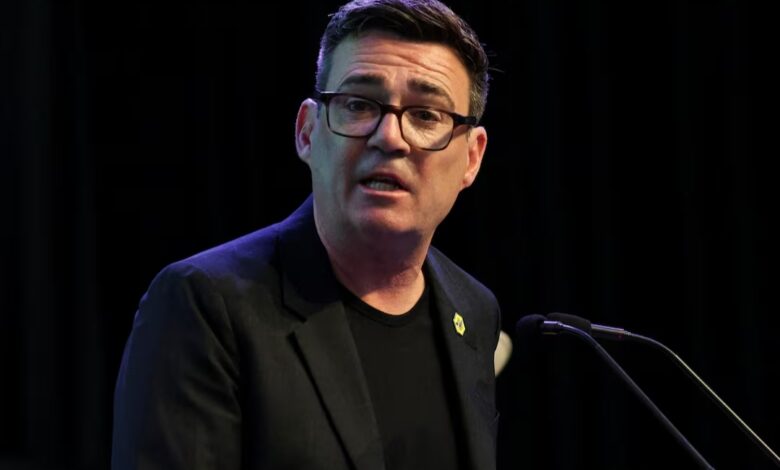
Britain’s new Prime Minister, Andy Burnham, has unveiled a 20 per cent cut in business rates for pubs, clubs, and live music venues, a move that marks his latest attempt to ease pressure on businesses and signals a more interventionist approach to tackling the country’s cost-of-living and economic challenges.
The measure, due to take effect from April next year, is expected to benefit nearly 32,000 venues across the United Kingdom and save the average pub about £1,100 annually. Government estimates put the cost of the policy at approximately £100 million each year.
The announcement came barely three days after Burnham assumed office, which makes it the third major economic relief measure introduced by the new administration. Earlier this week, the Prime Minister announced plans to remove a levy from domestic electricity bills and introduce a cap on bus fares, indicative of a determination to deliver visible policy changes immediately after entering Downing Street.
READ RELATED NEWS UPDATES
UK inflation eases, but fresh price pressures loom
Andy Burnham takes Labour leadership — Can he deliver?
Nigerian ‘Bus Aunty’ stars in UK PM’s fare campaign
Burnham said while announcing the package, “This government will back the businesses that people want to see in their communities.”

The relief is expected to provide some breathing space for independent public houses as well as major operators, including J D Wetherspoon, Marston’s, and Fuller, Smith & Turner, many of which have struggled with rising operating costs in recent years.
However, while the move has been welcomed by the hospitality industry, it has also exposed divisions over who should benefit from government assistance.
Trade association UKHospitality praised the reduction for pubs but argued that restaurants and hotels, which continue to face similar financial pressures, had been left behind.
Chief Executive of UKHospitality, Allen Simpson, urged the government to use the forthcoming budget to implement broader business rates reforms promised by the Labour Party during the 2024 general election campaign.
Simpson said, “Restaurants are struggling just as much as pubs, while hotels are due to see their business rates bills increase by an average of 110%.”
Holiday resort operator Butlin’s also criticised the selective nature of the support. He established that excluding significant parts of the hospitality sector suggests that the financial pressures confronting those businesses were being underestimated.
To finance the tax reduction, the government said it would review existing business rate relief enjoyed by businesses such as vape shops, which it said make limited contributions to local communities. It also plans to strengthen tax enforcement on companies trading through online marketplaces.
Burnham had previously proposed increasing business rates on warehouses used by large online retailers such as Amazon as part of efforts to revive traditional high streets. That proposal was not included in Thursday’s announcement, a decision welcomed by representatives of the warehouse industry who said the government had taken a more balanced approach.
The latest intervention comes at a time when business confidence has become fragile. Concerns have also intensified following renewed tensions linked to the conflict involving Iran, which has fuelled fears of fresh energy price increases and the possibility of higher interest rates.
A recent hospitality industry survey underscored those challenges which show that 23 per cent of businesses are operating at a loss, while five per cent believe they are no longer financially viable.
Finance Minister John Healey acknowledged those concerns when he said the government intended to pursue wider reforms aimed at reducing the overall cost of doing business in Britain while maintaining fiscal discipline.
Healey said, “This is just the start.”
He added that restoring confidence among businesses and investors would remain central to the new government’s economic agenda.