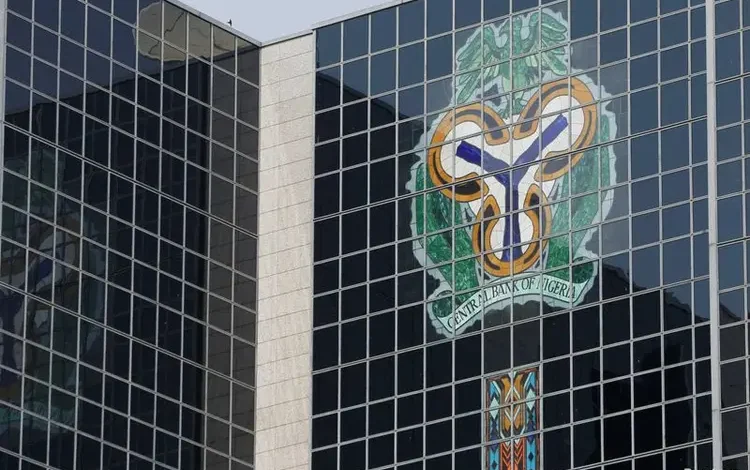
The Central Bank of Nigeria has revoked the operating licences of 46 microfinance banks after they failed to meet regulatory conditions required to remain in business. The decision took effect on Wednesday, July 1, 2026, and customers of the affected banks have been advised to follow official instructions from the regulator and the Nigeria Deposit Insurance Corporation.
The revocation was announced in a statement by Hakama Sidi-Ali, acting director of corporate communications at the CBN.
According to the CBN, the action was taken under Sections 12 and 13 of the Banks and Other Financial Institutions Act, 2020. The law gives the central bank power to withdraw a financial institution’s licence where it fails to meet legal or regulatory requirements.
The decision was approved by CBN Governor Olayemi Cardoso as part of efforts to protect depositors, support financial stability and ensure that licensed institutions obey banking rules.

Read related news:
CBN reverses policy, increases ATM withdrawal limit to N100k daily
FairMoney exec reveals five ways Nigerian women can build wealth
Moniepoint mum as OPay denies alleged CBN’s N1 billion fine
The affected institutions include microfinance banks operating in Lagos, Kano, Rivers, Abia, Kwara, Niger, Bayelsa, Kebbi, Ogun, Abuja, Plateau, Delta, Oyo, Cross River, Anambra, Kaduna, Benue, Ondo and Osun.
Microfinance banks are designed to serve people and small businesses that may not have easy access to commercial banks. They provide small loans and savings services to traders, farmers, artisans, market women and low-income households.
But the sector has faced growing scrutiny over weak governance, poor capital levels, inactive operations and customer complaints. The CBN said the latest revocation became necessary because of one or more regulatory failures.
These include insufficient assets to meet liabilities, closure of operations without CBN approval, inactivity, failure to begin operations within 12 months of licence approval, and failure to maintain minimum capital funds that are not wiped out by losses.
“The revocation of the licences is part of the Bank’s ongoing efforts to safeguard the stability of the financial sector, protect depositors, and ensure that licensed institutions comply with current laws and regulatory requirements,” the CBN said.
The regulator also said it remains committed to promoting a safe, sound and resilient financial system, adding that it will continue to take supervisory and regulatory action where necessary to maintain public confidence.
A senior regulatory source familiar with microfinance supervision, who spoke on condition of anonymity because he was not authorised to speak publicly, said the issue should be viewed beyond routine compliance.
According to the source, sharp practice in microfinance can become both a consumer-protection problem and a financial-stability concern.
He said microfinance banks are expected to support small businesses and vulnerable customers, not exploit them through hidden charges, unclear loan terms or aggressive recovery methods.
However, the CBN statement did not say that all the 46 affected banks were involved in such practices. The official reason given was failure to meet regulatory requirements for continued operation.
Consumer complaints in the wider microfinance market have often centred on unclear charges, deductions before loan disbursement, compulsory savings, confusing interest calculations, unauthorised debits, poor complaint handling and harsh debt recovery tactics.
Under CBN consumer protection rules, regulated financial institutions are expected to treat customers fairly and explain the full cost of a loan before the customer signs. This includes interest, fees, repayment schedule, loan tenor, penalties and complaint channels.
Debt recovery must also be done within the rules. Lenders have a right to recover money owed to them, but they are not allowed to use threats, humiliation or harassment.
The latest action comes against the background of previous licence withdrawals in Nigeria’s financial sector. In 2023, the Nigeria Deposit Insurance Corporation began depositor verification after the CBN revoked licences of 179 microfinance banks and four primary mortgage banks.
That earlier action showed the scale of weaknesses in parts of the sector, especially among institutions that were inactive, undercapitalised or unable to meet basic regulatory obligations.
For customers, the key point is that a licence revocation does not mean they should panic or deal with unofficial agents. Depositors should keep their account records, deposit slips, loan documents, messages and any bank correspondence.
Borrowers should also note that the closure of a bank does not automatically cancel a valid debt. Repayment arrangements may be handled by the appointed receiver, liquidator or another body named by the authorities.
The NDIC is usually involved when licensed deposit-taking institutions are closed. Its role includes protecting insured depositors, verifying claims and managing the process for recovering and paying funds where applicable.
Customers of the affected microfinance banks should wait for official guidance from the CBN and NDIC on verification, claims and repayment channels. They should not pay anyone who claims they can “process” deposits or loans outside recognised official procedures.
The CBN’s message to the sector is clear: microfinance banks must remain properly capitalised, active, transparent and compliant with the law. Institutions that cannot meet those standards risk losing their licence.
For ordinary Nigerians who use microfinance banks, the next step is to check whether their bank is on the affected list, keep all financial records safe, and follow only official instructions from the regulator or deposit insurer.