32
The Many Missed Opportunities Revealed!
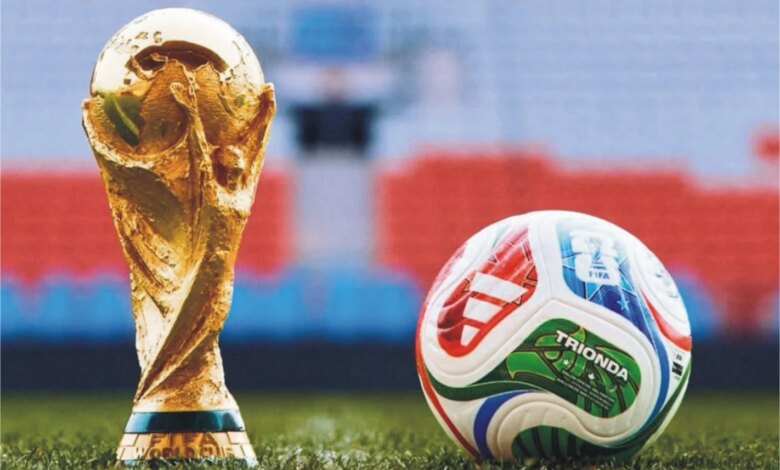
When the final list of 48 countries that qualified for the 2026 FIFA World Cup was completed, one name was missing that many football lovers across the world never expected to be absent—Nigeria.
For a country that has featured at six FIFA World Cup tournaments and produced some of Africa’s greatest football stars, missing the world’s biggest sporting event has been described by many as one of the country’s biggest football disappointments in recent years. Beyond the heartbreak of supporters, analysts say Nigeria’s absence has come with enormous economic, commercial and sporting consequences that stretch far beyond the football pitch.
From millions of dollars in FIFA prize money to sponsorship opportunities, television advertising, hospitality businesses, merchandising, tourism, media coverage and player transfers, many believe Nigeria has lost opportunities that may take years to recover.
The 2026 FIFA World Cup, jointly hosted by the United States, Canada and Mexico, is the biggest in the tournament’s history, featuring 48 countries instead of the traditional 32. The expanded competition meant more African nations qualified than ever before, making Nigeria’s failure to secure a place even more painful for many football followers.
Sports analysts say the financial implications alone are enormous
Every country that reaches the FIFA World Cup receives substantial financial rewards from FIFA, with participating nations guaranteed millions of dollars before prize money for advancing through the tournament is added. Those funds often help national football federations improve infrastructure, develop youth football, pay outstanding obligations and invest in future competitions.
According to football economists, Nigeria’s football authorities missed the opportunity to receive millions of dollars that could have supported domestic football and grassroots development.
A football analyst said, “Qualification for the World Cup is no longer just about football glory. It is now one of the biggest economic opportunities available to any football nation. Missing out means losing FIFA money, sponsorship opportunities, international visibility and long-term investment.”
Another broadcaster noted, “The financial rewards alone would have benefited Nigerian football for years. Instead of discussing preparations for the World Cup, people were discussing what went wrong.”
Corporate Nigeria has also been affected
During every FIFA World Cup, companies compete aggressively for consumers through promotional campaigns built around the Super Eagles. Breweries, beverage companies, telecommunications firms, banks, betting companies, airlines, food manufacturers, electronics brands and retail chains usually roll out football-themed advertisements, prize promotions and nationwide campaigns whenever Nigeria qualifies.
Marketing experts say the emotional connection Nigerians have with the national team makes World Cup campaigns among the most successful advertising periods for many businesses.
One advertising executive explained, “When Nigeria qualifies, almost every major brand wants to associate with the Super Eagles. The excitement drives sales and consumer engagement. Without the team at the tournament, many campaigns lose their emotional appeal.”
A brand consultant added, “Companies still advertise during the World Cup, but it is never the same when your national team is absent. Nigerians naturally spend more when they are emotionally connected to the competition.”
Hotels, restaurants, lounges, viewing centres and bars across Nigeria have also felt the impact.
During previous World Cups, especially whenever Nigeria played, many hospitality businesses recorded some of their highest customer turnout. Football fans filled viewing centres hours before kick-off, buying food, drinks and snacks while watching the matches together.
Bar owners often extended business hours, restaurants introduced football menus, and hotels organised viewing parties that attracted hundreds of customers.
This year, many operators say the atmosphere has been completely different.
A lounge owner in Lagos said, “When the Super Eagles play, everywhere is full. Customers come early, order food, buy drinks and stay for hours. Without Nigeria, people still watch football, but the excitement and spending are much lower.”
Another hospitality operator remarked, “Business during a Nigeria match is completely different from ordinary World Cup games. We miss the crowd, the celebrations and even the disappointment after matches because people stayed to discuss football.”
A viewing centre operator said, “Whenever Nigeria qualified in previous years, we hardly had empty seats. We had to bring extra chairs. This time the crowd has reduced because many people only become deeply involved when Nigeria is playing.”
Drink manufacturers and distributors also traditionally enjoy increased sales during major tournaments.
Beer, soft drinks, bottled water and energy drinks usually record increased consumption as fans gather in homes, bars and public viewing centres.
One beverage distributor explained, “The World Cup always increases sales, but Nigeria’s participation creates another level of demand. Families buy more drinks at home, while bars and restaurants place bigger orders.”
Retail businesses equally lose out.
Street traders who sell Super Eagles jerseys, scarves, face caps, flags, footballs, vuvuzelas and other supporter merchandise normally experience brisk business whenever Nigeria qualifies.
Sports shops also benefit from increased demand for football apparel.
A trader said, “During previous World Cups we sold Nigerian jerseys every day. People wanted to support the team. This year customers mostly buy jerseys of foreign countries.”
Television broadcasters and media organisations have equally missed valuable opportunities.
Whenever Nigeria appears at the World Cup, television stations increase sports programming, newspapers publish special editions and online platforms experience significant growth in readership and engagement.
Journalists, photographers, camera operators, producers and presenters also benefit from assignments to cover the tournament from host countries.
Many Nigerian journalists who ordinarily would have travelled with the national team had no such opportunity this time.
A sports editor said, “Covering the World Cup is one of the biggest assignments in sports journalism. It gives reporters international exposure and professional experience. Nigeria’s absence naturally reduced those opportunities.”
Another broadcaster observed, “When the Super Eagles are at the World Cup, audiences increase significantly because Nigerians want every detail about their team. The absence of Nigeria changes the level of public interest.”
Travel agencies also missed business.
In previous tournaments, many Nigerian supporters travelled to support the Super Eagles, booking flights, hotels and tour packages months before the competition.
Travel operators say World Cup packages involving Nigeria usually attract significant demand.
A travel consultant said, “Many Nigerians save for years to watch the Super Eagles at the World Cup. That market simply disappeared because the country did not qualify.”
Perhaps the greatest long-term loss concerns the players themselves.
The FIFA World Cup has always been football’s biggest stage for discovering talent.
Outstanding performances regularly attract interest from elite clubs across Europe, the Middle East and other parts of the world.
Many Nigerian footballers who became household names internationally used the World Cup to elevate their careers.
Sports observers note that several current Super Eagles players lost an opportunity to showcase themselves before millions of viewers, scouts and club executives.
One football analyst explained, “A good World Cup can completely change a player’s career. One outstanding performance can lead to a transfer worth millions of euros.”
A former footballer said, “Many players dream of using the World Cup as a platform. Clubs watch every game. Scouts are everywhere. Missing the tournament means losing the biggest football audition in the world.”
There is also concern that age is no longer on the side of several members of the current Super Eagles squad.
By the time the next FIFA World Cup comes around in 2030, some players will be in their mid-thirties, while others may have retired from international football altogether.
Former internationals believe this represents one of the saddest consequences of Nigeria’s failure to qualify.
One former international said, “Some players have probably played their last realistic chance of reaching the World Cup. Football careers are short, and four years can change everything.”
Another added, “There are players who deserved to experience the World Cup at least once. Unfortunately, time does not wait for anyone.”
The financial implications for players extend beyond transfers.
World Cup participants often receive appearance bonuses, sponsorship deals, endorsement contracts and increased commercial value after strong performances.
Many players secure personal partnerships with global brands during or shortly after the tournament.
Marketing experts say Nigerian players lost the chance to strengthen their personal brands.
A sports marketing consultant explained, “Visibility creates value. The World Cup puts footballers before billions of viewers. That exposure translates into endorsements and commercial partnerships.”
Nigeria’s football image has also suffered.
For decades, the Super Eagles built a reputation as one of Africa’s most respected football nations.
The country’s exciting style of play, passionate supporters and talented players earned admiration across the world.
Repeated qualification failures, however, raise concerns about Nigeria’s standing in international football.
A football commentator said, “Nigeria should be competing regularly at the World Cup. Missing consecutive tournaments damages the country’s football reputation.”
Many fans also recall the excitement surrounding the 2018 FIFA World Cup in Russia.
Although the Super Eagles did not progress beyond the group stage, Nigeria became one of the tournament’s biggest talking points long before the first ball was kicked.
The team’s green-and-white Nike jersey became a global sensation.
Millions of people attempted to buy the jersey after its release, with reports indicating that pre-orders reached record levels and the shirt sold out rapidly in many locations. Images of Nigerian supporters filled stadiums in Russia, while the team’s fashion, culture and vibrant fan base attracted worldwide attention.
Back home, businesses experienced increased sales.
Viewing centres were packed across Lagos, Abuja, Port Harcourt, Kano, Enugu, Ibadan and many other cities whenever Nigeria played.
Restaurants and bars organised live viewing events. Beer companies launched football promotions. Telecommunications firms introduced data offers linked to the tournament. Television stations expanded sports coverage, while newspapers devoted additional pages to World Cup stories.
Sports retailers sold jerseys in large quantities, while betting companies witnessed significant customer activity.
One businessman recalled, “The 2018 World Cup created business everywhere. Whether you sold drinks, food, jerseys or televisions, there was something to gain because Nigerians were fully involved.”
A football supporter said, “The atmosphere in 2018 was unforgettable. Streets became quiet whenever Nigeria played, and immediately after the matches everyone came outside discussing football.”
Economists say those indirect benefits may not always appear in official statistics, but they contribute significantly to economic activity.
Consumer spending increases, temporary employment opportunities emerge, transport operators carry more passengers, and small businesses enjoy additional income.
An economist observed, “Major sporting events create ripple effects throughout the economy. When the national team participates, those effects become even stronger.”
Football lovers believe the biggest lesson from Nigeria’s absence is the urgent need to rebuild the country’s football system.
Many argue that stronger grassroots development, better administration, transparent governance, improved coaching structures and long-term planning are necessary if Nigeria hopes to regain its position among the world’s elite football nations.
A football analyst said, “Nigeria has the talent. What is needed is proper planning and consistency. We should never become comfortable watching the World Cup without the Super Eagles.”
A former player added, “The pain of missing one World Cup should become the motivation to rebuild Nigerian football completely. Future generations deserve better.”
Supporters have also expressed disappointment, while remaining hopeful that the Super Eagles can recover before the next qualifying cycle.
One fan said, “Watching the World Cup without Nigeria is like attending a family celebration without your closest relatives. Something important is missing.”
Another supporter remarked, “We still enjoy the football because the World Cup is special, but every Nigerian wishes our flag was there.”
Yet another football lover concluded, “We have lost money, exposure, business opportunities and unforgettable memories. Hopefully, the lessons from this disappointment will help Nigerian football return stronger.”
As the tournament continues across North America, many Nigerians will continue supporting their favourite international stars and teams. Yet for millions of supporters, there remains an unmistakable feeling that something is missing. The absence of the Super Eagles has not only deprived the nation of another appearance on football’s grandest stage but has also denied businesses, players, journalists, advertisers and countless ordinary Nigerians the economic opportunities, international exposure and unforgettable experiences that accompany participation in the FIFA World Cup.
For many observers, the greatest loss is not merely the failure to qualify, but the countless opportunities that disappeared with it.
By Benprince Ezeh
08068599879
What do you think about this?
Drop your opinion in the comment section.
FOLLOW US & Share this with someone who needs to see this.