0
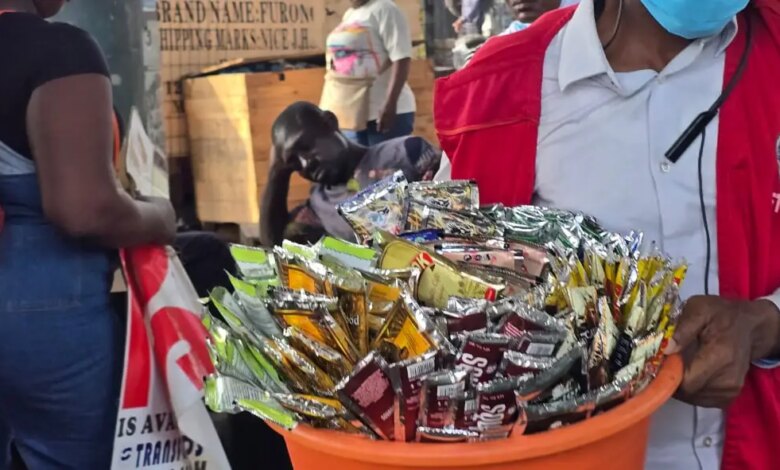
LAGOS – The National Agency for Food and Drug Administration and Control (NAFDAC) has uncovered fresh illegal production of banned sachet alcohol and sub-200ml PET bottled alcoholic drinks, exposing what it described as a coordinated attempt by some manufacturers to undermine the Federal Government’s regulations.
The discoveries came during nationwide enforcement operations that also turned violent, with one enforcement officer narrowly escaping stabbing while another was assaulted during separate raids.
NAFDAC alleged that some manufacturers secretly relocated production equipment to concealed facilities, removed company signboards and continued manufacturing prohibited alcoholic beverages despite the nationwide ban.

Briefing journalists in Lagos, on Tuesday, NAFDAC Director- General, Prof. Mojisola Christianah Adeyeye, said enforcement teams found compelling evidence that banned products were still being manufactured after the prohibition became effective.
She disclosed that officers recovered prohibited 100ml PET bottles and sachet packaging materials carrying production dates as recent as July 23, 2026.
According to Adeyeye, the discoveries proved that some manufacturers continued production long after the expiration of the compliance period granted by the Federal Government.
She described the findings as deliberate violations of existing regulations rather than residual stocks produced before enforcement commenced.
According to her, intelligence gathered during the operations revealed that several companies dismantled production lines from registered factories and secretly relocated them to unregistered locations.
She said the concealed facilities enabled manufacturers to continue producing banned alcoholic beverages outside the reach of routine regulatory inspections.
Adeyeye stated that the clandestine operations reflected a calculated effort to frustrate regulatory oversight while sustaining supplies of prohibited products.
She also alleged that some operators deliberately removed company signboards and identifying markings from their premises to conceal their identities from enforcement officials.
According to her, removing company identities demonstrated an intention to evade accountability rather than comply with regulatory requirements.
Adeyeye warned that manufacturers found violating the ban would face stricter sanctions as enforcement intensified across the country.
She maintained that those operating illegal production facilities would have their factories shut down in accordance with the law.
She also warned that distributors and retailers handling the prohibited alcoholic beverages would face regulatory sanctions.
Products recovered during enforcement operations, she added, would be seized and destroyed.
The director-general disclosed that enforcement operations encountered violent resistance in some locations.
She said one NAFDAC officer narrowly escaped being stabbed after an assailant drew a weapon during a lawful enforcement exercise.
Another enforcement officer was physically assaulted while carrying out official duties, she added.
Adeyeye described the attacks as criminal acts directed against the Nigerian state because the officers were performing lawful regulatory responsibilities.
She vowed that everyone responsible for assaulting or obstructing enforcement officials would be investigated and prosecuted. According to her, violent attacks would not deter the agency from enforcing the Federal’s Government regulations.
Adeyeye reaffirmed that the nationwide mop-up operation would continue until banned sachet alcohol and alcoholic beverages packaged below 200ml disappeared from the market. She stressed that the prohibition remained non-negotiable and would be fully enforced across the country.
The director-general appealed to Nigerians to stop purchasing the prohibited alcoholic beverages. She also urged members of the public to report manufacturers, distributors and retailers still producing or selling the banned products.
Adeyeye recalled that the Federal Government did not impose the ban without giving manufacturers sufficient time to adjust.
She said producers initially received a five-year moratorium in 2018 to restructure their operations before enforcement.
According to her, the transition period was later extended by another year following appeals from industry operators. She questioned why manufacturers continued violating the regulations despite receiving six years to prepare alternative business models.
Adeyeye maintained that the policy was never intended to prohibit alcohol consumption among adults.
Instead, she said the objective was to reduce underage drinking and restrict children’s easy access to alcoholic beverages packaged in small quantities.
She warned that early alcohol consumption posed serious health risks for children because their bodies were still developing. According to her, children who begin consuming alcohol at very young ages could suffer lifelong health consequences.