On Friday, June 26, First Lady Oluremi Tinubu suggested that Nigerians struggling with the cost of living should consider frying akara or roasting corn, as the Federal Government would offer grants to help them get started. Within hours, the tone-deaf comment had become the internet’s newest meme.
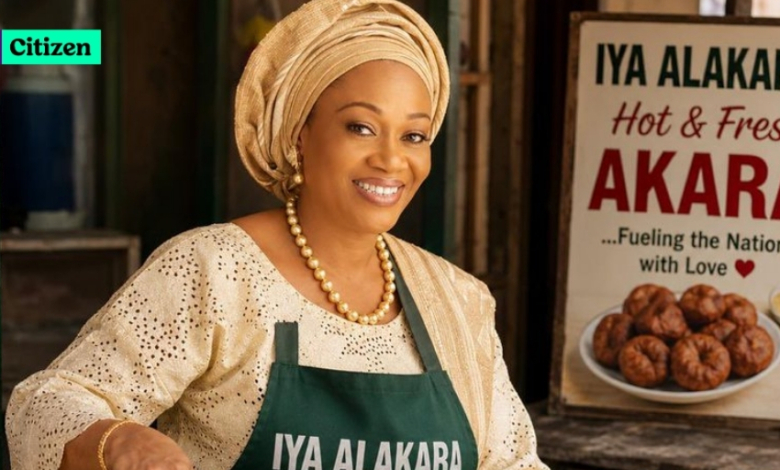
On July 2, President Tinubu joked at a press dinner, playfully introducing his wife as “Iya Alakara,” meaning Akara seller. Following the joke, the Presidency’s media team leaned into the new nickname and posted an AI-generated image of the First Lady as a roadside akara seller.
And just like that, Akara became the main character. The conversation shifted from “How is selling akara the solution?” to “Who’s posting the funniest skit?” This happens every single time our leaders fumble; we laugh instead of demanding answers.
Nigeria has no shortage of serious political moments that somehow end up as memes.
In 2018, a Joint Admissions Matriculation Board (JAMB) clerk in Makurdi claimed a snake swallowed ₦36 million belonging to the board, money later traced to staff misappropriation.
The story quickly became one of Nigeria’s most enduring political jokes, with content creators making skits and using “the snake swallowed it” as a response when asked about something they don’t have an answer to.
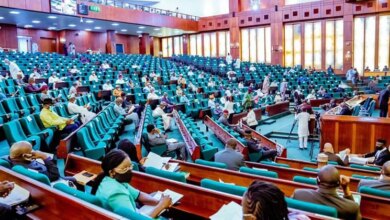
In 2020, the Niger Delta Development Commission (NDDC) then-acting managing director, Kemebradikumo Pondei, fainted mid-hearing while being questioned about ₦40 billion in missing commission funds, attributing it to an “unexplained health challenge.”
Content creators made skits and jokes about the situation, prompting multiple people to reenact the incident and causing it to go viral.
Here If snakes swallowing cash was the height of it, you’re in for a shocker. In 2022, officials at the Nigeria Social Insurance Trust Fund (NSITF) confidently told a Senate panel that termites had chewed through the receipts showing how the ₦17 billion was spent.
It’s the same routine. A crazy political moment occurs, the internet gets to work, and everyone’s in on the joke; before long, the memes have outlived the conversation that started it.
The Big Daily Newsletter is your shortcut to the biggest news shaping Nigeria. We cut through the noise, connect the dots, and explain why the news actually matters, all in one quick read.
We no longer live in a country where the government merely fumbles; we live in one where the government manufactures memes to cover up its fumbling.
When the Presidency’s media team posted an AI-generated image mocking its own First Lady’s tone-deaf remarks, it wasn’t a harmless attempt to match the public’s humour. It was a calculated political deflection.
That’s where things get tricky. Once government failure becomes content, it’s much easier for the people behind it to join the joke than answer for it. By adopting the “Iya Alakara” nickname, the government effectively hijacked the narrative, shifting a legitimate crisis of empathy into a marketing campaign.
This means the next time a minister says something tone-deaf about your salary or your electricity bill, the expected response isn’t outrage, it’s a skit, and skits don’t get anyone fired.
While Nigerians are busy making skits and memes out of failure and corruption, the country keeps dying. Transparency International’s latest Corruption Perceptions Index has rated Nigeria 26 out of 100 for the second year running, while the country slipped from 140th to 142nd globally.
This rating will only worsen if we allow politicians to get away with corruption. Our poverty rate will continue to skyrocket if we laugh away ridiculous solutions rather than demand accountability, and politicians will generate memes to mock our poverty because we’ve made them think it’s ok.
Because of our tendency to joke about everything, politicians know now they can get away with looting billions when they come to court in stretchers, when they pretend to faint, or make up ridiculous excuses to evade scrutiny.
They do it because they know we’d only be outraged for two days before we turn it into memes.
And so, it’s up to us to decide: do we want a political class so afraid of the populace they’d think twice about their actions and utterances, or one that fears nothing because they know they’ll be laughed at rather than challenged.
We want to hear about your personal experiences that reflect how politics or public systems affect daily life in Nigeria. Share your story with us here—we’d love to hear from you!
Click here to see what other people are saying about this article on Instagram
The Naira Life Conference is returning on August 22, 2026, in Lagos! Come learn from finance experts and industry leaders, and partake in unfiltered conversations about building wealth and diversifying your income stream in a country like Nigeria. Real stories, expert advice you can actually use, and a community ready to build wealth together. Secure your spot here.
What do you think about this?
Drop your opinion in the comment section.
FOLLOW US & Share this with someone who needs to see this.