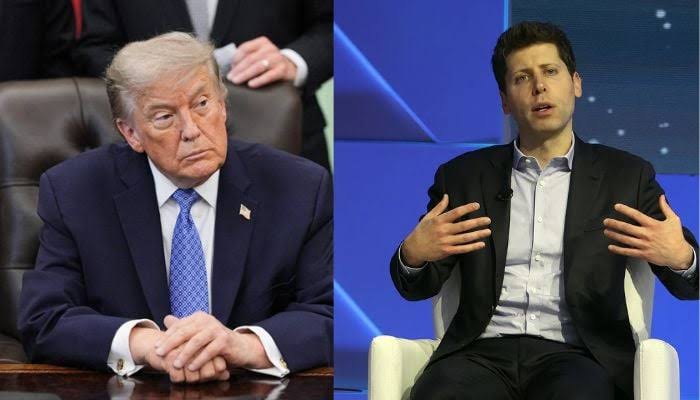
OpenAI, the creator of ChatGPT, is reportedly in early discussions to grant a five percent equity stake in the company to the Trump administration as artificial intelligence firms face increased government regulatory scrutiny.
The proposal, first reported by the Financial Times, envisions a broader framework where other leading American AI developers would also allocate similar stakes to the federal government. OpenAI Chief Executive Officer Sam Altman has argued that the arrangement would establish a system for the public to share in the economic benefits of artificial intelligence.


Based on a March funding round that valued OpenAI at $852 billion, a five percent share in the firm would be worth approximately $42.6 billion. The concept is intended to address growing political and public concerns regarding the technology’s impact on employment, infrastructure demands, and national security.
The discussions follow recent comments from U.S. President Donald Trump, who indicated plans to meet with technology executives to explore public stakes in major AI firms. The administration has previously taken direct financial positions in critical technology supply chains, including a 10 percent equity stake in semiconductor manufacturer Intel last year.
Both OpenAI and its primary competitor, Anthropic, have recently faced regulatory delays regarding the release of their advanced models. Under the framework discussed with officials, executives have suggested that technology companies could allocate five percent of their equity to a public wealth fund modeled after the Alaska Permanent Fund, which distributes dividends from state resource wealth to residents.
Implementation of the proposed equity structure would likely require legislative action from Congress. The plan follows earlier policy papers published by OpenAI advocating for the creation of public wealth funds to ensure broad citizen participation in AI-driven economic growth.