0
A lawyer and public policy analyst, Ilemona Onoja, has urged government institutions to make regulatory impact assessments and wider stakeholder consultations a compulsory part of policymaking, saying the approach would help prevent disputes, reduce compliance burdens and create a more predictable business environment.
Onoja made the call during an X Space discussion hosted by financial analyst Kalu Aja, which focused on “The Cost of Regulatory Uncertainty in Nigeria’s Economy.”
He argued that many disagreements between regulators, businesses and other stakeholders could be avoided if proposed regulations were properly reviewed and subjected to meaningful consultations before they are introduced.


His comments come against the backdrop of the ongoing dispute between the Federal Competition and Consumer Protection Commission (FCCPC) and the Wireless Application Service Providers Association of Nigeria (WASPAN) over the implementation of the Digital, Electronic, Online and Non-Traditional Consumer Lending (DEON) Regulations on licensed value-added service providers.
While declining to comment directly on the substance of the legal matter, Onoja said the controversy highlights the importance of engaging affected parties before regulatory decisions are finalised.
According to him, regulatory impact assessments should be used to determine how proposed rules would affect businesses, consumers, government agencies and existing legal frameworks before they become operational.
He said policymakers need to consider key questions, including the impact of new regulations on industries, whether they would increase costs, create additional licensing requirements or make compliance processes more difficult.
“Before introducing regulations, there should be a clear understanding of their consequences. What effect will they have on businesses, regulators and consumers? Will they increase costs or improve efficiency? These issues must be examined beforehand,” he said.
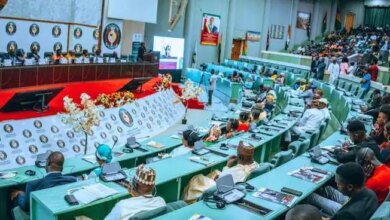
Onoja also highlighted the role of public hearings organised by the National Assembly, describing them as an important avenue for citizens, businesses and professional groups to contribute to the lawmaking process.
He said such engagements provide opportunities for stakeholders to raise concerns and point out possible challenges before proposed laws and policies are adopted.
“Stakeholders should be able to explain how a proposed regulation affects them before it takes effect. Those discussions are necessary at the early stages of policymaking,” he said.
The lawyer noted that lawmakers may not always have direct knowledge of the practical challenges faced by industries and citizens, making contributions from businesses, associations and members of the public essential in shaping effective legislation.
Public hearings form part of Nigeria’s legislative process, allowing individuals, organisations and interest groups to present opinions and submit memoranda on bills under consideration by committees of the National Assembly.
The process is designed to promote transparency and ensure that laws reflect the concerns and realities of those they affect.
However, Onoja expressed concern that many Nigerians either remain unaware of these opportunities or fail to participate when issues affecting them are being discussed.
He encouraged citizens and industry stakeholders to take greater interest in legislative proceedings and make their voices heard whenever public hearings are organised.
“If a public hearing is held on an issue that affects you, participate. Submit memoranda where possible and engage with the process. That is how we can contribute to better laws and regulations,” he said.
Onoja further called for stronger cooperation among government agencies during regulatory development, noting that early collaboration would help prevent conflicting policies, overlapping responsibilities and implementation challenges.