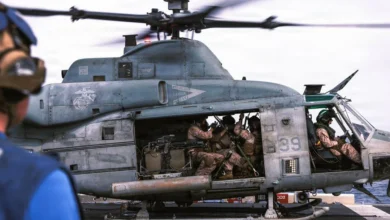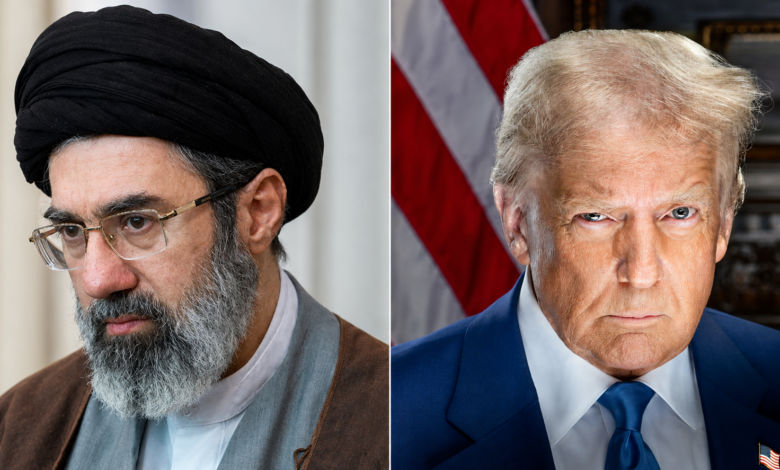
More than 600 American military personnel have been wounded since the US-Iran war began in February, according to updated Pentagon casualty figures. The latest total places fresh pressure on President Donald Trump’s administration as lawmakers question the cost, strategy and transparency surrounding the conflict.
The official figures now show that 624 US service members have been wounded and 18 killed since fighting began on 28 February. The revised total includes more than 140 additional injuries that had not appeared in earlier public counts, according to reports based on an update to the Pentagon’s casualty database.
Most of the wounded personnel are reported to have returned to duty, but the sharp increase has renewed debate over how the United States is recording and announcing casualties from the war.
Families of deployed personnel should continue to rely on official military channels for information. Casualty figures released publicly may not include personal details immediately because relatives are usually notified before names are announced.


Pentagon casualty update raises transparency questions
The Pentagon’s revised figures separate casualties from different stages of the conflict.
Fourteen deaths and more than 400 injuries were linked to Operation Epic Fury, the first phase of American military action against Iran. A separate category, described as “Overseas Operations”, covers casualties recorded after renewed hostilities began in July following the breakdown of a temporary pause in fighting.
The distinction is more than administrative. Critics say separating the two periods could affect how the government explains the legal basis and duration of the operation.
Some members of Congress have questioned whether the administration is attempting to treat renewed attacks as a different military campaign. Critics argue that this could weaken congressional oversight under the War Powers Resolution, which places limits on extended military action that has not been formally approved by lawmakers.
Related news
- Trump faces humiliation over Iran as exit options narrow
- Oil nears $100, raising fresh fuel price fears
- Middle East tension rises as US strikes Iran, Tehran hits back
The White House and Pentagon have maintained that American forces are acting to defend US personnel, weaken Iran’s military capabilities and protect shipping routes in the Gulf.
However, the growing number of casualties has increased pressure on the administration to explain its long-term objective and how it intends to prevent the conflict from becoming another prolonged American war in the Middle East.
New Daily Prime previously examined how Trump’s options in the Iran conflict have narrowed, with continued attacks carrying the risk of further retaliation against military bases, Gulf states and commercial shipping.
Renewed fighting adds to military deaths
The war began on 28 February and intensified again in July after a temporary ceasefire collapsed.
Iranian missile and drone attacks have targeted American forces and sites linked to the US in countries including Jordan, Bahrain, Kuwait and Saudi Arabia. American forces have responded with strikes on Iranian military, surveillance and air-defence facilities.
Four US service members were killed in attacks during the renewed fighting, and President Trump attended the return of their bodies at Dover Air Force Base. Reuters reported that the conflict had killed 18 American military personnel and injured hundreds by late July.
The number of wounded troops had earlier been reported at more than 430. The Pentagon’s new figure of 624 therefore represents a substantial rise.
The precise nature of every injury has not been publicly detailed. Military casualty totals can include physical injuries from missiles, drones and explosions, as well as traumatic brain injuries caused by blast waves.
A traumatic brain injury may occur even when a person has no visible wound. Symptoms can include headaches, dizziness, confusion, memory problems, disrupted sleep and sensitivity to light or noise.
War brings growing financial and political cost
The human toll is only one part of the pressure facing Washington.
The conflict had cost the United States an estimated $37.5 billion by late July, according to Reuters. It has also placed pressure on supplies of defensive missiles and raised concerns about whether the US can maintain military readiness in other regions while continuing the Iran campaign.
Public support for the war has remained limited, while higher oil prices have added to concerns about fuel costs and inflation. New Daily Prime reported that oil prices were approaching $100 a barrel as fighting threatened energy supplies and shipping through the Strait of Hormuz.
The Strait is one of the world’s most important oil routes. Any sustained disruption can raise the cost of petrol, air travel, transport and consumer goods far beyond the Middle East.
No clear end to the Iran conflict
The increase in reported casualties comes as Washington and Tehran remain without a comprehensive peace agreement.
Temporary pauses in attacks have created opportunities for negotiations, but previous attempts to reduce the fighting have collapsed. The US has continued to demand limits on Iran’s nuclear and missile programmes, while Tehran has called for an end to American attacks and sanctions.
New Daily Prime previously reported that Trump ordered fresh strikes on Iran after an earlier ceasefire came under pressure. For the families of American troops, the immediate concern remains the safety of personnel deployed across the region.
New Daily Prime: Read the latest world news and analysis