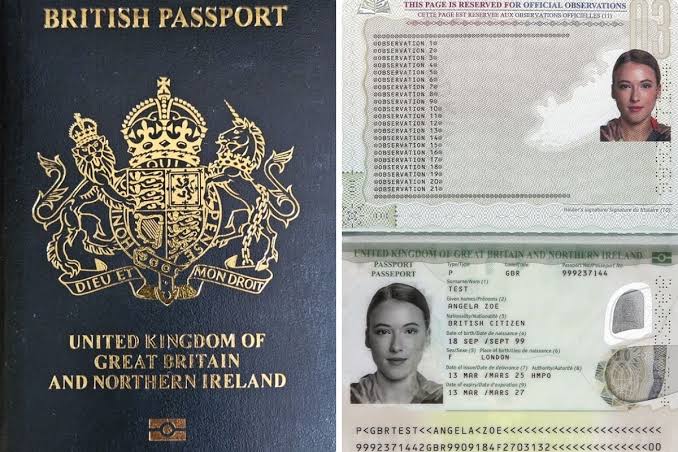
UK has outlined the circumstances under which British citizenship can be taken away, reaffirming that the decision is only made in specific cases and under powers contained in the British Nationality Act 1981.
According to updated guidance issued by the UK government, citizenship can be revoked on three main grounds. The rules apply not only to British citizens but also to British Overseas Territories citizens, British Overseas citizens, British Nationals (Overseas), British Protected Persons and British Subjects.
Read also:British couple freed by Taliban return to UK after eight-month detention
The first circumstance is when the Home Secretary is satisfied that depriving a person of their citizenship is in the public interest, provided the decision does not leave the individual stateless.
The second applies to people who obtained British citizenship through registration or naturalisation by using fraud, making false representations or deliberately concealing important information during the application process.

The third covers similar cases where citizenship was obtained through fraudulent means before January 1, 1983.
The guidance explains that there is no fixed list of offences or behaviours that automatically result in citizenship being revoked. Instead, cases are referred to the Home Office by government departments, law enforcement or intelligence agencies for assessment.
If a case is accepted for further investigation, officials are required to gather and examine all available evidence before reaching a decision. The government said every stage of the process must comply with data protection laws, while all evidence and decisions must be properly documented in case they are challenged in court.
The guidance also places significant emphasis on the welfare of children who may be affected by a deprivation decision.
Under Section 55 of the Borders, Citizenship and Immigration Act 2009, officials must treat the best interests of any child in the UK as a primary consideration when making nationality decisions.
However, the government stressed that the presence of children does not automatically prevent citizenship from being revoked. It noted that a child’s interests may, in some cases, be outweighed by wider public interest considerations, provided those interests have been fully assessed before a final decision is made.
The latest guidance comes as the Home Office continues to clarify immigration and nationality rules. It follows the recent publication of updated requirements for foreign spouses of British citizens seeking naturalisation.
Under those rules, applicants must be at least 18 years old, legally married to or in a civil partnership with a British citizen, have lived in the UK for at least three years before applying, and already hold settled immigration status, such as Indefinite Leave to Remain, settled status under the EU Settlement Scheme or Indefinite Leave to Enter the UK.
The United Kingdom has outlined the circumstances under which British citizenship can be taken away, reaffirming that the decision is only made in specific cases and under powers contained in the British Nationality Act 1981.
According to updated guidance issued by the UK government, citizenship can be revoked on three main grounds. The rules apply not only to British citizens but also to British Overseas Territories citizens, British Overseas citizens, British Nationals (Overseas), British Protected Persons and British Subjects.
The first circumstance is when the Home Secretary is satisfied that depriving a person of their citizenship is in the public interest, provided the decision does not leave the individual stateless.
The second applies to people who obtained British citizenship through registration or naturalisation by using fraud, making false representations or deliberately concealing important information during the application process.
The third covers similar cases where citizenship was obtained through fraudulent means before January 1, 1983.
The guidance explains that there is no fixed list of offences or behaviours that automatically result in citizenship being revoked. Instead, cases are referred to the Home Office by government departments, law enforcement or intelligence agencies for assessment.
If a case is accepted for further investigation, officials are required to gather and examine all available evidence before reaching a decision. The government said every stage of the process must comply with data protection laws, while all evidence and decisions must be properly documented in case they are challenged in court.
The guidance also places significant emphasis on the welfare of children who may be affected by a deprivation decision.
Under Section 55 of the Borders, Citizenship and Immigration Act 2009, officials must treat the best interests of any child in the UK as a primary consideration when making nationality decisions.
However, the government stressed that the presence of children does not automatically prevent citizenship from being revoked. It noted that a child’s interests may, in some cases, be outweighed by wider public interest considerations, provided those interests have been fully assessed before a final decision is made.
The latest guidance comes as the Home Office continues to clarify immigration and nationality rules. It follows the recent publication of updated requirements for foreign spouses of British citizens seeking naturalisation.
Under those rules, applicants must be at least 18 years old, legally married to or in a civil partnership with a British citizen, have lived in the UK for at least three years before applying, and already hold settled immigration status, such as Indefinite Leave to Remain, settled status under the EU Settlement Scheme or Indefinite Leave to Enter the UK.
For more details, visit New Dailyprime