The United States has implemented a new global visa ban to deter and combat internet crime, fraud, and predatory schemes against its nationals.
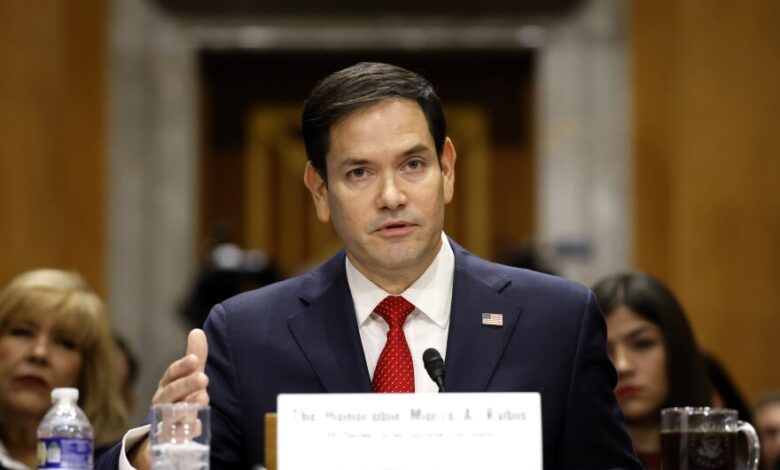
Secretary of State, Marco Rubio announced the restriction policy on Thursday, citing the “unprecedented threat” from online investment scams.
The top diplomat noted how swindles, including those coordinated by Chinese transnational criminal organizations, fleeced U.S. citizens of over $10 billion in 2024.
The government equally decried the victimization of American children by blackmailers operating overseas and its profound effect on families and futures.

The new visa restriction targets individuals responsible for, or complicit in, cybercrime and cyber-enabled crime, including cyber scams and sexual extortion.
“Immediate family members of individuals engaged in such illicit activities may also be subjected to visa restrictions,” the statement by Rubio reads.
The Trump Administration is deploying sanctions, prosecutions, asset seizures, and extradition requests to dismantle scam networks and impose costs on the enablers.
In February, a Nigerian, Afeez Olatunji Adewale, was extradited to the United States to face charges related to the sexual extortion and death of a young man in Pennsylvania.
Adewale was arrested in Nigeria on August 17, 2023, following a wider operation with the FBI. The 26-year-old is charged with wire fraud and money laundering conspiracy.
His co-defendants, Samuel Olasunkanmi Abiodun and Imoleayo Samuel Aina, were extradited in August 2024. Abiodun, 26, admitted to wire fraud cum money laundering conspiracy and is serving five years in prison.
Aina, 27, pleaded guilty to cyberstalking, wire fraud, interstate threat to injure reputation, receiving proceeds of extortion, and money laundering conspiracy. He was sentenced in October 2025 to 6 years in prison.