The Federal Government(FG) has defended its $5 billion financing arrangement with First Abu Dhabi Bank, saying the facility is designed to replace more expensive debt and could reduce Nigeria’s borrowing costs.
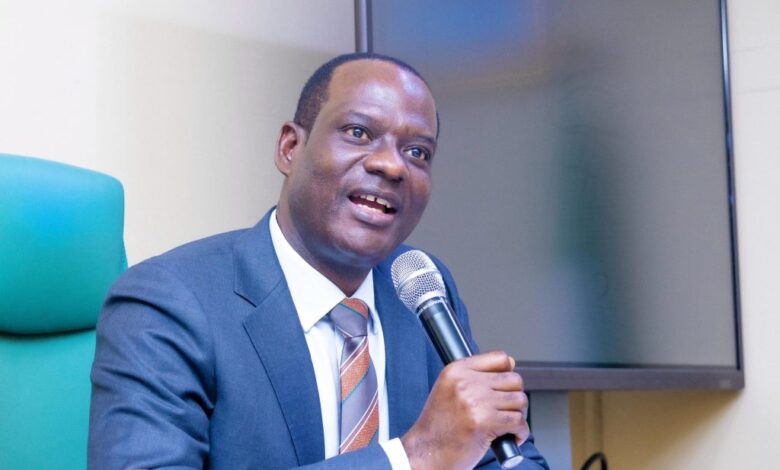
Finance Minister and Coordinating Minister of the Economy, Taiwo Oyedele, said the government was taking money from the facility in stages after drawing about $1.5 billion, the first tranche under the Total Return Swap arrangement.
READ RELATED NEWS
World Bank unveils six-year Nigeria plan after approving $1.25bn reform loan
FG grants, loans available for Nigerians
Onanuga points to roads, loans as signs of Tinubu policy impact
He said taking the entire $5 billion at once would expose the government to unnecessary costs on funds not immediately needed.
The facility was approved by the National Assembly on March 31, 2026. The initial drawdown was expected to support the 2026 budget, infrastructure projects and the refinancing of existing debt obligations.
Oyedele said the transaction offered a lower all-in rate than the government’s existing debt portfolio and was structured to help Nigeria refinance costlier obligations.
Flexible rate under focus
Unlike conventional bonds with fixed interest rates, the First Abu Dhabi Bank arrangement carries a flexible rate, Oyedele said.
Under the structure, Nigeria would pay more if rates rise but benefit if they fall.
He contrasted the facility with some Eurobonds issued when coupon rates were in double digits, noting that Nigeria’s yields had since fallen to around 7 to 7.5 per cent without reducing the cost of those existing fixed-rate obligations.
“This First Abu Dhabi Bank transaction is flexible rates. It means if rates go up, we pay more. If rates come down, we benefit more,” Oyedele said.
He said the financing structure gave the government an option not available under some existing fixed-rate borrowings.
The Federal Government is also required to pledge securities worth about 133 per cent of the amount drawn as collateral.
The facility has faced scrutiny from the International Monetary Fund and Fitch Ratings, both of which raised issues over transparency and possible sovereign debt risks.
The IMF warned that derivative financing structures such as total return swaps could be difficult to track and value in real time, potentially making a country’s financial obligations less visible.
Fitch Ratings also warned that Nigeria’s planned $5 billion arrangement could raise sovereign debt risks and reduce transparency in public debt reporting.
Oyedele rejected suggestions that the transaction lacked due process, noting that it received approval from the Federal Executive Council and the National Assembly.
Government rejects special disclosure demand
The finance minister also ruled out publishing a separate breakdown of how money drawn from the facility would be spent.
He said the government would disclose its public expenditure but would not treat the First Abu Dhabi Bank arrangement differently from other borrowing sources.
“We will not publish how we are spending it. We will publish how we spend government money. There’s nothing special about that loan,” he said.
Oyedele questioned why the facility was receiving separate scrutiny when the government had borrowed through other channels, including the World Bank, Eurobond and Sukuk.
He said the government would soon publish frequently asked questions on the transaction through the websites of the Ministry of Finance and the Debt Management Office.
The planned document is expected to provide further clarification on the facility and its structure.
Oyedele said the attention surrounding the transaction had been disproportionate, maintaining that the government had assessed the arrangement and was accessing the funds in phases to manage borrowing costs.
With about $1.5 billion already drawn, the government’s defence of the facility now rests largely on whether it can deliver the savings expected from refinancing costlier debt while managing the transparency and debt risks flagged by the IMF and Fitch Ratings.
For More News Details, Visit the New Daily Prime.