Nigerian students under the aegis of the National Association of Nigerian Students, NANS, have rejected former Vice President Atiku Abubakar’s plan to restore fuel subsidy if elected president in 2027.
NANS described the proposal as a political response to the economic hardship facing Nigerians rather than a sustainable solution to the country’s fiscal challenges.
NANS President, Akinteye Babatunde, stated this in a statement issued on Wednesday.
According to Babatunde, the position of the association was not influenced by partisan politics but was based on its assessment of policies affecting the country and its citizens.

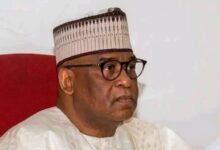
“Every sane and patriotic citizen who is conversant with our nation’s economy will agree with me that the removal of the fuel subsidy was a difficult but necessary economic reform aimed at ending an increasingly unsustainable system that consumed trillions of naira, benefited higher fuel consumers disproportionately, encouraged smuggling, and constrained the government’s ability to invest in critical sectors,” Akinteye said.
Atiku, who is seeking to become president in 2027 under the African Democratic Congress, ADC, had promised to restore the petrol subsidy if elected.
The former vice president said he initially did not oppose the removal of the subsidy by President Bola Tinubu in May 2023 but later became concerned about how the savings from the policy were being used.
“I initially did not oppose the removal of the fuel subsidy. But now that it has been removed, where is the money? Where has the subsidy money gone? Has it been used to improve healthcare, education or security?” Atiku asked.
“If I win the presidential election, I will restore the subsidy. And anyone who stole Nigeria’s subsidy funds must return the money,” he added.
The removal of the subsidy led to a sharp increase in petrol prices and contributed to higher transportation, food and household costs, making the policy one of the most controversial decisions of the Tinubu administration.
The Federal Government has consistently defended the reform, arguing that the subsidy had become too expensive and had created opportunities for corruption while limiting the funds available for development.
NANS acknowledged the hardship caused by the policy but said returning to the old system without addressing its structural problems would not provide a lasting solution.
Akinteye said the government must instead ensure that the resources saved from subsidy removal are properly invested to improve Nigerians’ living conditions.
“However, the real measure of the reform should not be the savings alone, but what the government does with those savings,” he said.
He said the resources should be directed towards education, healthcare, infrastructure, agriculture and other sectors capable of strengthening the economy and improving citizens’ welfare.
“Clearly, we have seen the government increase state subventions and redirect resources into education, healthcare, infrastructure, and agriculture. Realistically, the Nigerian people have made a productive sacrifice that must ultimately translate into a stronger and more sustainable economy,” Akinteye said.
The NANS president warned that an outright return to subsidy without a clear framework for fixing the weaknesses of the previous arrangement could recreate the same problems that led to its removal.
“This is why calls or promises for the outright return of subsidy, without a clear structural framework for addressing the fundamental weaknesses that made the policy unsustainable in the first place, amount to little more than a political response to a genuine economic challenge,” he said.
He urged all presidential aspirants ahead of the 2027 election to present policies that go beyond immediate relief and address the structural problems affecting the Nigerian economy.
“Every aspirant willing to rule Nigeria and not run or, perhaps, ruin her must come to national debates with clear and sustainable policies that do not just address the immediate needs or comfort of our people, but rather, policies that best shape our country and can stand the test of time,” Akinteye said.
He also urged Atiku to reconsider his position, arguing that Nigeria could not afford to return to a system that placed a heavy financial burden on government while critical infrastructure remained inadequate.
“I submit, with firm conviction, that Mr Atiku Abubakar knows himself that we cannot return to the era of paying heavily for subsidy while we languish in infrastructural underdevelopment, with many states lacking the capacity to pay workers without borrowing,” he said.
… Nigerian Students Rejects Atiku’s Plan to Return Fuel Subsidy Read More on … NaijaOnPoint.
What do you think about this?
Drop your opinion in the comment section.
FOLLOW US & Share this with someone who needs to see this.