0
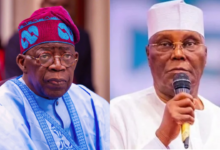
ABUJA – Former vice president and African Democratic Congress (ADC) presidential candidate, Atiku Abubakar, has challenged the Federal Government’s defence of its economic policies, arguing that official statistics cannot outweigh the hardship millions of Nigerians continue to face.
In a statement on Monday in Abuja, Atiku said the presidency’s response to opposition criticism relied too heavily on macroeconomic indicators while failing to address the realities confronting ordinary citizens.
He rejected the argument that criticisms were based on outdated 2024 data, insisting that the economic decisions taken in the early years of the Tinubu administration continue to shape the country’s current realities.
According to him, the effects of policy choices do not disappear with the passage of time, noting that Nigerians are still living with the consequences of those decisions in 2026.
Atiku maintained that after more than three years in office, the administration should take responsibility for its own record instead of attributing current challenges to previous governments.
He argued that while the presidency highlighted improvements in Gross Domestic Product (GDP), debt ratios and other economic indicators, many Nigerians remain more concerned about rising living costs, unemployment, food prices and declining purchasing power.
The former vice president said economic reforms should ultimately be judged by their impact on households, businesses and the general standard of living rather than by statistical improvements alone.
He also questioned the government’s borrowing strategy, saying the issue was not whether countries borrow but whether borrowed funds translate into visible improvements in infrastructure, public services, job creation and economic productivity.
On the removal of fuel subsidy, Atiku said Nigerians had accepted the need for reforms but expected the promised benefits to be reflected in better public services and improved welfare.
He added that increased allocations to states and local governments should result in tangible improvements in the lives of citizens, arguing that higher revenues alone do not constitute evidence of economic success.
The former vice president further raised concerns over healthcare, education and infrastructure, contending that government performance should be measured by access to affordable healthcare, quality education, reliable electricity, improved roads and better economic opportunities.
Citing reports from the Manufacturers Association of Nigeria (MAN), Atiku said the manufacturing sector continues to face significant challenges, including factory closures, rising production costs and declining consumer purchasing power.
He maintained that the condition of industries, small businesses and households provides a more accurate assessment of the economy than official economic figures.
According to him, governments are ultimately judged by their ability to improve the welfare of citizens through lower living costs, expanded employment opportunities and greater economic security.
Atiku urged the presidency to focus on addressing the concerns of Nigerians rather than defending its performance through official statistics, stressing that the public would judge the administration by the realities they experience in their daily lives.
