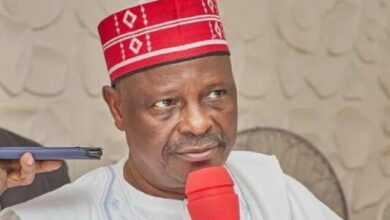
The Transition Monitoring Group (TMG) has commended the Independent National Electoral Commission (INEC) for what it described as the relatively seamless conduct of the August 15, 2026 Osun State Governorship Election, particularly the absence of major technical glitches in most locations and the real-time uploading of polling-unit results on the INEC Result Viewing Portal (IReV).
The group also commended the people of Osun State for their peaceful participation and determination to exercise their democratic rights despite reported incidents of vote buying, intimidation, harassment and other attempts to suppress voters.
In a statement signed by the chairman of TMG and executive director of the Civil Society Legislative Advocacy Centre (CISLAC), Auwal Musa Rafsanjani, yesterday in Abuja, the group said the Osun election provided an opportunity for Nigerians to recognise improvements in the electoral process while continuing to demand greater transparency, accountability and professionalism from INEC.
TMG said the relatively smooth conduct of the election and timely electronic transmission of results demonstrated that INEC, under the leadership of Professor Joash Ojo Amupitan, could provide a more transparent and credible electoral process when its systems and procedures functioned as intended.
“INEC deserves commendation where it gets things right. The Osun experience demonstrates that the Commission is capable of conducting a transparent electoral process, particularly through the effective deployment of technology and real-time results transmission,” the group said.
The organisation, however, stressed the need for continued scrutiny of the electoral commission.
“At the same time, Nigerians must continue to demand improvements and hold the Commission accountable where it falls short,” he added.
TMG cautions against blaming INEC for all electoral malpractice
TMG said INEC should not automatically be blamed for every electoral malpractice, particularly where such violations are perpetrated by political actors and their supporters.
The group noted that vote buying, voter intimidation, thuggery and other forms of electoral manipulation remained largely driven by politicians and their agents.
It therefore called for political actors involved in such practices to be held accountable instead of shifting responsibility entirely to the electoral commission.
According to TMG, the Osun election, alongside recent governorship elections in Anambra, Ondo, Edo and Ekiti states, provides encouraging evidence that elections can be conducted peacefully and democracy can prevail when electoral processes are credible and the will of voters is respected.
The group said the absence of significant post-election violence in the states should strengthen public confidence in democratic processes and encourage political actors to accept electoral outcomes and pursue legitimate grievances through established legal channels.
TMG also called on the judiciary to protect mandates freely given by the electorate and ensure that judicial processes are not used to undermine the legitimate choice of voters.
While recognising the constitutional responsibility of the courts to adjudicate electoral disputes, the group urged the judiciary to ensure that electoral litigation strengthens rather than weakens the sanctity of the ballot.
It cautioned against the use of technicalities, procedural manipulation or politically motivated litigation to overturn the genuine will of voters.
TMG particularly commended Osun voters for their resilience and determination to ensure that their votes count despite reported attempts in some locations to influence or suppress their choices through money, intimidation and other unlawful practices.
The group said the experience should serve as a warning to politicians who believe that money, thuggery, intimidation or voter suppression can permanently defeat the will of the people.
TMG urged all candidates and political parties that participated in the election to demonstrate political maturity by accepting the outcome, while encouraging those with legitimate grievances to seek redress through appropriate legal and electoral mechanisms.