A chieftain of the All Progressives Grand Alliance (APGA), Chekwas Okorie, has rejected the interim report of the Independent Corrupt Practices and Other Related Offences Commission (ICPC) on the alleged fake Presidential Foreign Intervention Promotion Council (PFIPC).
According to Punch, Okorie questioned the credibility and independence of the investigation, arguing that the controversy required a more transparent and independent inquiry.
His reaction followed the release of the ICPC’s interim findings, which recommended the prosecution of the principal suspect, Adeniyi Adeyemi, while indicating that some public officials may have facilitated the activities of the purported agency.
Speaking with Sunday Punch, Okorie said he was not surprised by the outcome of the commission’s investigation.

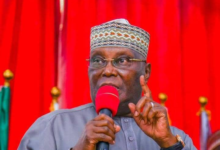
“No reasonable Nigerian will be surprised at the outcome of the so-called ICPC investigation of the Adeyemi fake agency saga,” he said.
The APGA chieftain argued that the circumstances surrounding the establishment, funding and operation of the alleged fake agency required what he described as “a reputable, independent and open probe.”
According to him, questions over the involvement or negligence of government officials could not be adequately addressed if the investigation was conducted solely by an agency within the executive arm.
Okorie maintained that the nature of the allegations made it necessary for investigators to establish how the purported agency allegedly gained access to government facilities, processes and institutions.
He said Nigerians deserved a full explanation of the roles played by officials who may have enabled the operation.
Okorie also questioned the institutional arrangement under which the ICPC investigated a matter with alleged links to the executive branch.
He argued that the situation created an impression that “the accuser and the judge” were effectively within the same arm of government.
The politician said such an arrangement could raise doubts about whether all individuals involved would be independently investigated and held accountable.
The ICPC had said its investigation uncovered institutional lapses in some ministries, departments and agencies while recommending sanctions and prosecution where appropriate.
Okorie also expressed reservations about the capacity of the National Assembly to provide a sufficiently independent alternative inquiry.
He cited what he described as declining public confidence in the legislature and questioned whether lawmakers could conduct a probe capable of addressing all the concerns surrounding the controversy.