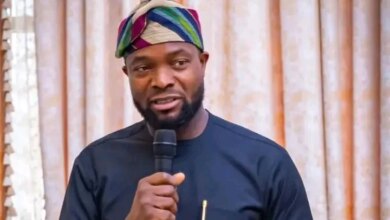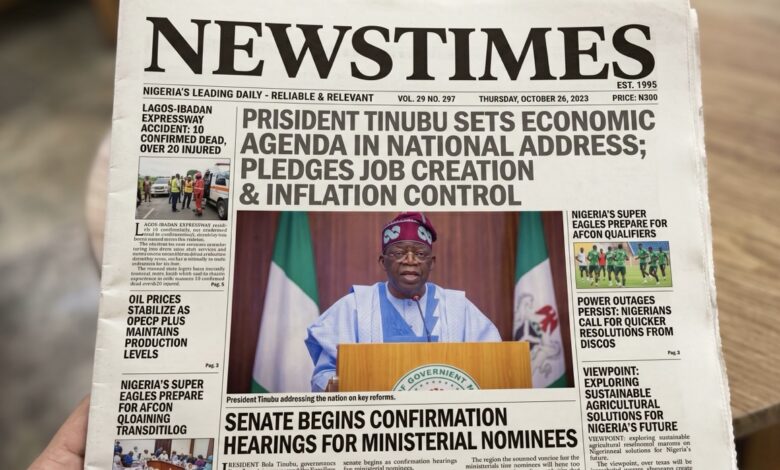
Omoyele Sowore has pledged to restore Nigeria’s petrol subsidy if elected president in 2027, putting him directly at odds with President Bola Tinubu’s market-driven fuel policy. The African Action Congress (AAC) presidential candidate says subsidy itself is not the problem and argues that government support should be designed to protect ordinary Nigerians rather than disproportionately benefit wealthy individuals and businesses.
Sowore made the comments during an appearance on Arise Television on Tuesday, 11 August, as debate continues over the economic consequences of removing the subsidy.
The activist and SaharaReporters publisher also alleged that the Federal Government was still providing forms of support for petrol and the naira despite officially ending the previous petrol subsidy system. The government has previously rejected a return to fuel subsidy and said market forces should determine prices.
Asked directly whether he would restore the petrol subsidy if elected, Sowore replied: “Absolutely.”

He argued that governments around the world use subsidies to protect vulnerable citizens and maintained that Nigeria should not abandon such support simply because the previous system had serious problems.
Sowore, however, acknowledged that the old arrangement did not always favour poorer Nigerians. He argued that wealthy individuals and businesses often receive greater benefits through measures such as customs waivers and other concessions.
Sowore blames subsidy removal for economic hardship
President Tinubu announced the end of the long-standing petrol subsidy during his inauguration on 29 May 2023.
The policy led to an immediate rise in pump prices as the government stopped paying to keep petrol artificially cheaper for consumers.
The administration also introduced major foreign-exchange reforms, including allowing the naira’s value to be determined more freely by the market.
Sowore said the combination had damaged household finances and contributed to Nigeria’s wider economic difficulties.
His position contrasts sharply with the Tinubu administration’s argument that the old subsidy system was expensive, inefficient and distorted the economy.
In May, the Federal Government again ruled out restoring the subsidy. Finance Minister and Coordinating Minister of the Economy Taiwo Oyedele said the government would continue relying on market mechanisms rather than returning to subsidy payments or price controls. New Daily Prime reported the government’s position in its article, FG rules out fuel subsidy return, targets $1tn economy by 2030.
The disagreement is likely to make petrol subsidy policy one of the economic issues debated ahead of Nigeria’s 2027 presidential election.
Why Nigeria’s petrol subsidy remains controversial
Petrol subsidy has been one of Nigeria’s most disputed economic policies for decades.
Supporters argue that keeping fuel prices lower can reduce transport and production costs and provide immediate relief to households. Critics say the former system consumed large amounts of public money, encouraged smuggling and created opportunities for fraud.
New Daily Prime’s examination of the policy, Fuel subsidy removal: Two years after – gains, pains, what comes next?, found that the 2023 removal was followed by sharp increases in transport and other living costs, although the policy was intended to free government resources for other priorities.
Sowore said favourable economic statistics were of little comfort if ordinary Nigerians could not afford basic necessities. He also linked the country’s economic problems to food insecurity, citing concerns about the number of Nigerians facing food shortages.
His promise does not mean petrol subsidy will automatically return. Sowore would first have to win the 2027 presidential election, and implementing such a policy would require decisions on funding, pricing and the structure of any new subsidy programme.
There would also be questions over how a future government could prevent the corruption, smuggling and fiscal pressures historically associated with subsidised petrol.
Sowore has increasingly positioned himself as an alternative to the Tinubu administration ahead of 2027. New Daily Prime recently reported his criticism of the government following a Democracy Day protest in Abuja in Tinubu wants to crush opposition, says Sowore after collapsing during Abuja protest.
For now, Nigeria’s official policy remains unchanged: petrol prices operate under a deregulated system, and the Federal Government says it does not intend to restore the old subsidy arrangement.
Related news