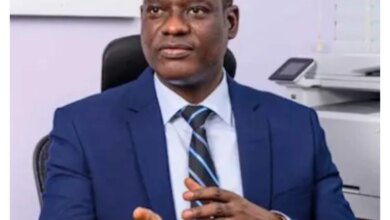
Minister of Finance and Coordinating Minister of the Economy, Taiwo Oyedele, has criticised Nigerians who attacked the World Bank on social media over the financial institution’s decision to continue lending to the country.
Oyedele said the backlash showed that many people did not understand how international development financing works.
The minister spoke on Wednesday in Abuja during a media briefing on the Federal Government’s economic reform scorecard.
He said some Nigerians had gone to the World Bank’s social media platforms to condemn the institution for granting loans to Nigeria.


According to him, the comments became so hostile that the World Bank eventually disabled the comment section.
“People went to the social media account of the World Bank to go and be abusing them that they’re giving Nigeria loan. World Bank just switch off the comments. We’ve gotten the loan because that’s not how the system works,” he said.
In May, Oyedele himself warned that the country could not depend mainly on borrowing to finance development.
He said Nigeria needed to strengthen its fiscal system and generate enough domestic revenue to fund infrastructure and other priorities.
At the same time, the Federal Government has continued to engage multilateral lenders over financing for economic reforms and development projects.
A proposed $1.25 billion World Bank facility had earlier generated significant reactions from Nigerians online.
Some social media users questioned why the institution continued to approve financing for Nigeria despite concerns over the country’s debt burden and the rising cost of living.
Oyedele, however, said attacking the World Bank was misplaced because the lending process does not operate in the manner many people assumed.
He illustrated his point with the example of an automated teller machine.
According to the minister, someone who does not understand how an ATM works could see other people withdrawing money and wrongly conclude that the government was deliberately allowing only certain people to access funds.
He said such a misunderstanding could lead to people mobilising against the ATM instead of addressing the actual reason they could not withdraw money.
“Some people who have no knowledge of how it works. They said why is government allowing some people withdraw money here and they’re not giving to the rest of us.”
Oyedele said such people could even produce leaders among themselves and begin demanding access to the money without first understanding that money must have been deposited into the banking system.
“So some leaders emerged from their group and said this is not fair government has to and then they went and destroyed the ATM, beat up some other people withdrawing money there and they were hailing their hero,” he said.
The minister said the same group could then demand that everybody be allowed to withdraw money, even when there was no money available in the bank.
“Yes, let everybody withdraw money from the ATM. They haven’t put money in the bank,” he said.
According to him, destroying the ATM would not solve the problem because it would only prevent people from accessing the system without creating the money they wanted.
“After breaking the bank and the ATM and beating people up, they still can’t collect money ’cause that’s not how the system works,” he said.
Oyedele said the example reflected what he considered a wider problem in public discussions about Nigeria’s economy.
He argued that citizens needed to understand the institutions, rules and processes behind government decisions before deciding how best to challenge them.
“If you don’t understand how the system works, you waste energy,” he said.
The minister maintained that having the right information was also important for citizens who wanted to demand accountability from government.
“Part of your ability to hold government to account is having the right knowledge. If you don’t, you’re wasting your energy,” he said.
The issue of borrowing has remained particularly sensitive as the Tinubu administration continues to pursue economic reforms while seeking funding for infrastructure, social programmes and other government priorities.
The World Bank has continued to support several Nigerian programmes in areas including power, social protection, education, healthcare and economic reforms.
In July, the Federal Government launched World Bank-backed programmes valued at $3.05 billion, targeting vulnerable communities, human capital development and social protection.
The administration has maintained that external financing is tied to specific programmes and development objectives.
However, public concern over borrowing has persisted because Nigerians are also dealing with high living costs and the effects of reforms introduced since 2023.
The removal of the petrol subsidy and changes in the foreign exchange market have contributed to higher prices and increased pressure on households and businesses.
Oyedele has repeatedly defended the reforms, arguing that they were intended to correct what he described as long-standing distortions in the Nigerian economy.
In a separate engagement earlier this month, he said the immediate hardship caused by the reforms should be viewed against the economic conditions the government inherited.
He also said the government would provide a detailed explanation of how savings from subsidy reforms had been used.
At Wednesday’s briefing, the finance minister also warned against the politicisation of economic data.
He said figures from the government’s reform scorecard could be interpreted differently by political actors as the country moves closer to the 2027 general elections.
“I know what’s going to happen after today now is some people will take this data and turn it upside down for campaign,” Oyedele said.
He urged Nigerians to examine the motive behind their reactions to government policies and economic developments.
“And you have to be honest with yourself. Are you trying to build your country or are you trying to tear it apart?” he asked.
The briefing was organised by the Federal Ministry of Finance under the theme, “Nigeria’s Reform Scorecard: The Benefits and Harms Prevented.”
The exercise was part of the Federal Government’s effort to present an account of the economic reforms introduced by President Bola Tinubu’s administration since 2023.