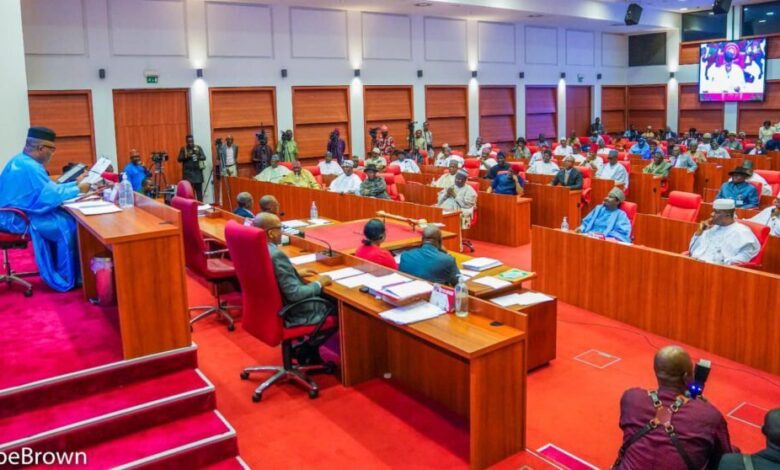
Nigeria’s federal lawmakers have returned to another recess after just one day of plenary, ending a 68-day annual break with fresh decisions on the 2025 capital budget and national security.
The Senate and House of Representatives resumed on Tuesday, September 29, after their annual recess began on July 23. The chambers had initially fixed September 15 for resumption but extended the break to September 29 amid repairs to sound systems in both chambers.
On their return, lawmakers adjourned plenary until October 13. The next sitting is expected to follow a National Security Summit involving lawmakers, security chiefs, security agencies and other stakeholders.
The Senate linked the October 13 date to the conclusion of the summit, which is expected to examine intelligence coordination and territorial security across the country.

The brief return also produced a significant fiscal decision. The National Assembly extended the implementation period for the capital component of the 2025 Appropriation Act from September 30 to December 31, 2026.
READ RELATED NEWS UPDATES
The extension gives ministries, departments and agencies another three months to execute capital projects covered by the 2025 budget. The Senate approved the extension on Tuesday, while the House also considered the measure after resuming from recess.
The decision is the latest adjustment to the lifespan of the 2025 capital budget. It means projects whose appropriations and funds have already been released can continue into the final quarter of 2026 instead of expiring at the end of September.
That decision also sets up an important task for lawmakers when they return. Their oversight role will include tracking how the additional implementation period is used and whether agencies complete the projects for which public funds have been provided.
The chambers also have pending legislative business waiting beyond the October break. President Bola Tinubu has transmitted the 2026 statutory budget proposal of the Niger Delta Development Commission (NNDC) to the National Assembly, alongside bills seeking amendments to the National Postgraduate Medical College and the establishment of a National Research Development Fund.
The proposed research fund, in particular, could affect how government-backed research is financed by bringing fragmented research and development resources under a central framework.
The security summit adds another major item to the October calendar. Its timing comes amid persistent security concerns across several parts of the country, giving lawmakers an opportunity to hear directly from security agencies and examine the intelligence and territorial challenges confronting the federation.
For Nigerians, the significance of the short sitting lies less in the length of the lawmakers’ return than in the decisions awaiting implementation.
The National Assembly has now opened a three-month window for 2025 capital projects, set October 13 as its next full legislative sitting and placed national security at the centre of its immediate agenda.
The next phase will therefore test how quickly the chambers convert those decisions, especially the extended capital budget and security deliberations, into legislative oversight and measurable action.