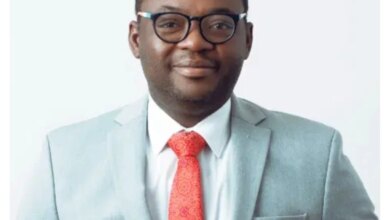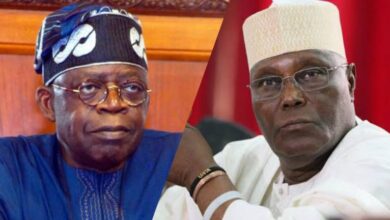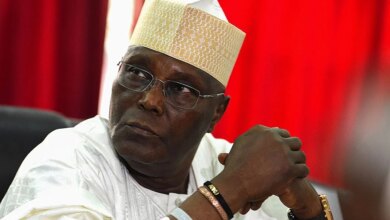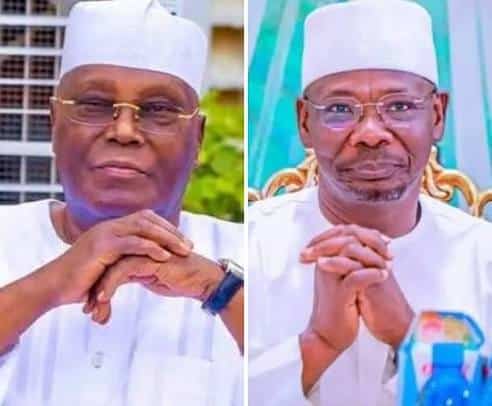
Nasarawa State Governor, Abdullahi Sule, has said the proposal by African Democratic Congress (ADC) presidential candidate Atiku Abubakar to reintroduce fuel subsidy if elected in 2027 is not practicable.
Sule, who spoke on MIC ON Podcast, said his position was based on his experience in the oil and gas industry, where he worked as an engineer before becoming governor.
The governor said the complexities involved in importing and distributing Premium Motor Spirit (PMS), commonly known as petrol, would make a return to the subsidy regime difficult to implement effectively.
“I come from that industry. I know the challenges of subsidy. It is not practicable to say you are going to reintroduce subsidy,” Sule said.

READ RELATED STORY
Atiku is joking about his 2027 ambition — Tinubu’s adviser
Army foils terrorists attack, rescue 23 kidnapped victims in Sokoto
He cited the logistics involved in importing petrol, explaining that a vessel carrying about 30,000 metric tonnes of the product could face delays at the port because of draft limitations.
According to him, such vessels may have to discharge their cargo through lightering, which can lead to additional delays and demurrage costs.
Sule also alleged that the former subsidy regime created opportunities for corruption, claiming that some individuals benefited financially from prolonged delays in the discharge of imported petroleum products.
“Sometimes, because of the corruption with subsidy, they allow it actually to stay longer than necessary because some people make money out of that. So, the more the demurrage, the more corruption, the more some individuals have more money in their pockets,” he said.
The governor further questioned aspects of the former system under which the Nigerian National Petroleum Corporation (NNPC) imported petroleum products and sold them to marketers at subsidised prices.
He alleged that some marketers who purchased products from the NNPC were also involved in importing petroleum products, creating opportunities to profit from differences between the subsidised and market prices.
Sule said similar challenges extended to the supply of crude oil, arguing that Nigeria’s crude production was not necessarily available for immediate domestic use because portions of future production had already been committed through forward sales.
“Is Dangote not importing crude oil? Do you think Nigeria has enough crude oil to give Dangote after the forward sales of oil?” he asked.
According to the governor, the realities surrounding crude supply and forward contracts could become clearer to policymakers only after they assumed office and gained access to detailed information about the industry.
“Sometimes when you’re outside the cycle, you think the cycle is empty until you get in. Part of the production of Nigeria has been sold, forward sales long time ago. It’s when you come to office you’ll realise you don’t have the oil,” he said.
Atiku has said his proposed approach to petrol subsidy would focus on increasing domestic production rather than subsidising consumption.
Sule, however, maintained that reintroducing the subsidy regime would not be practicable because of the structural and logistical challenges he outlined.